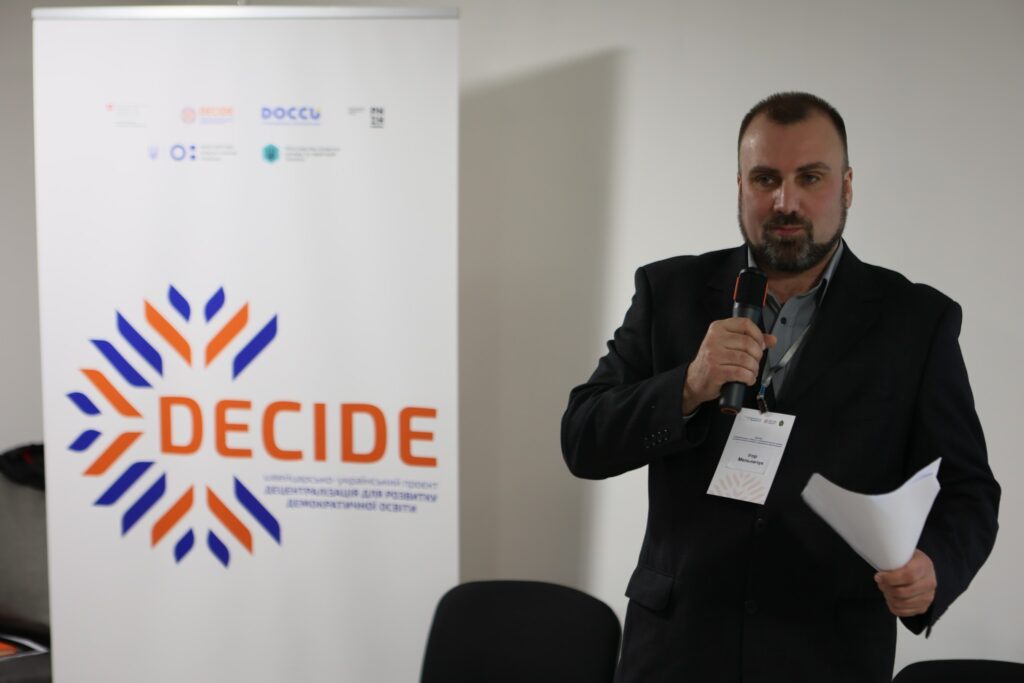
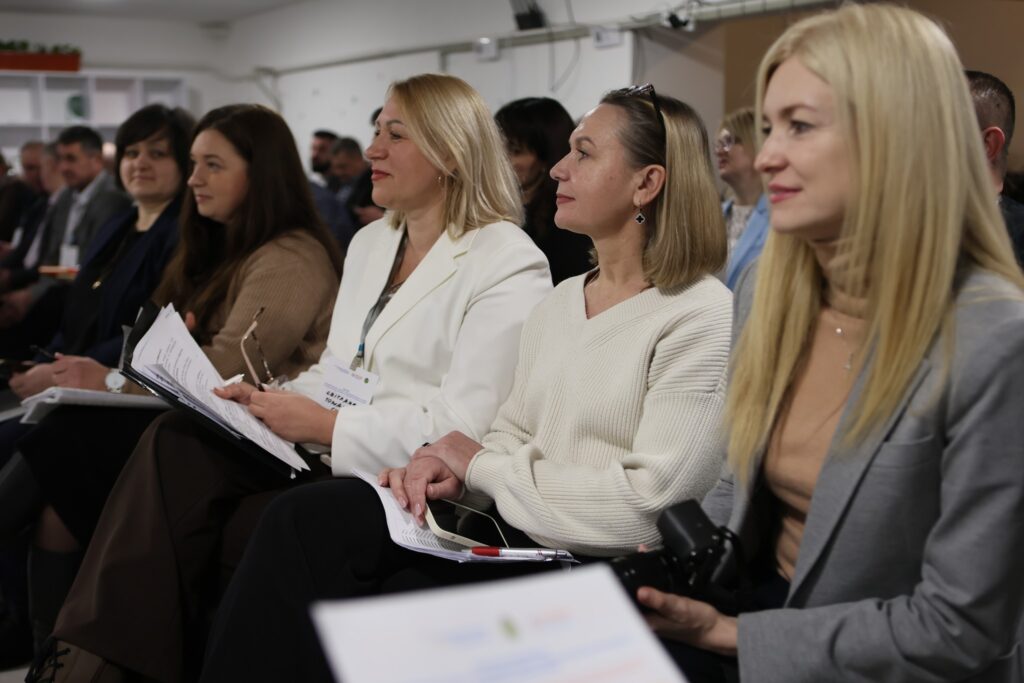
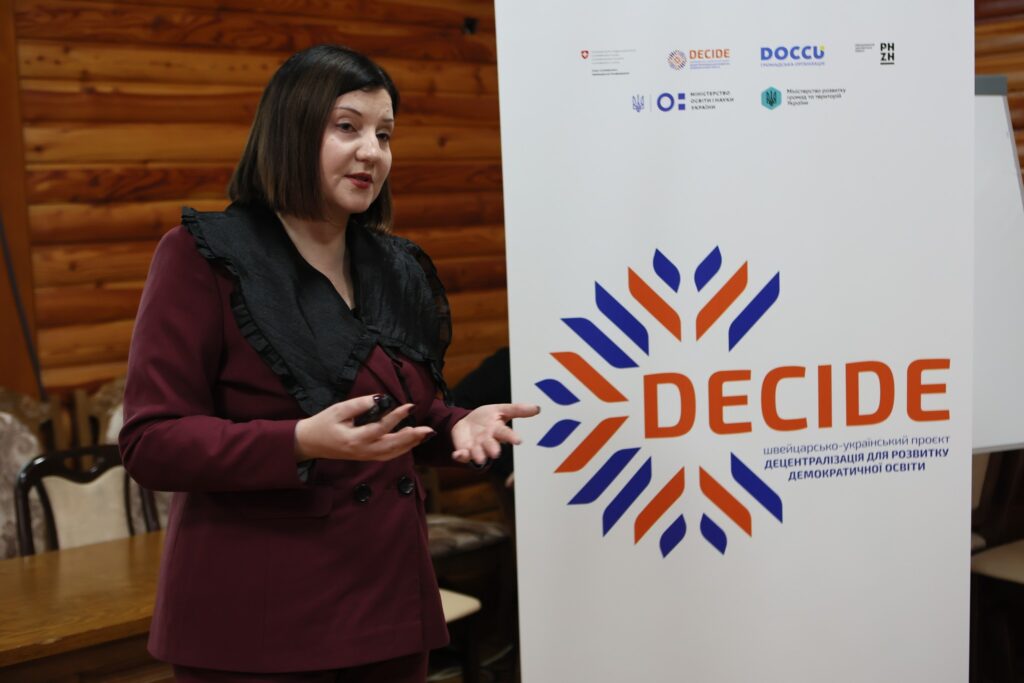
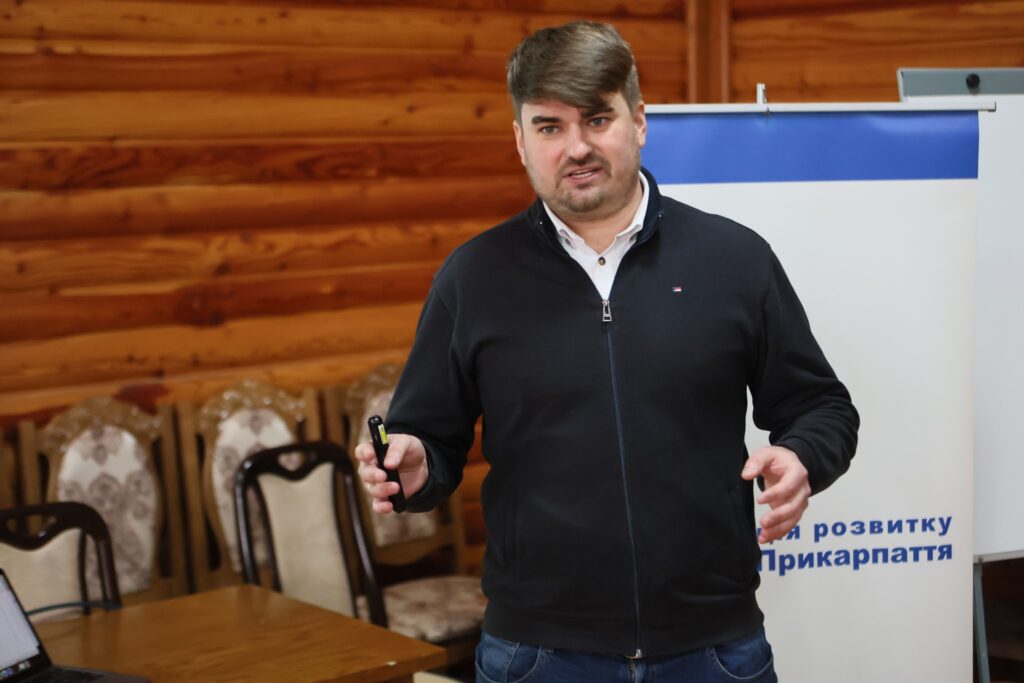
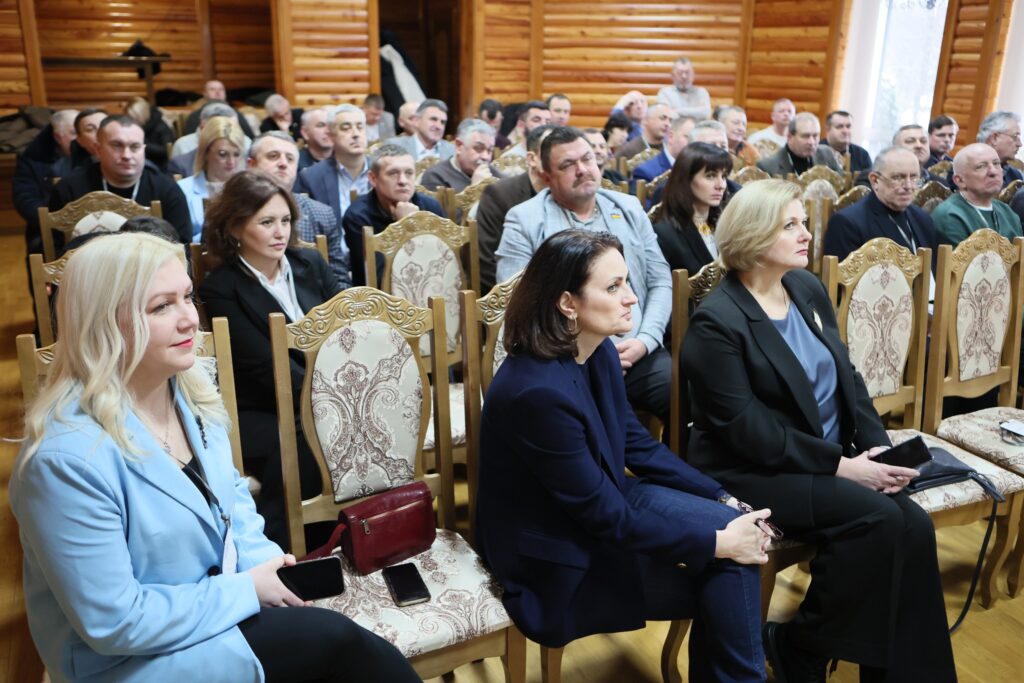
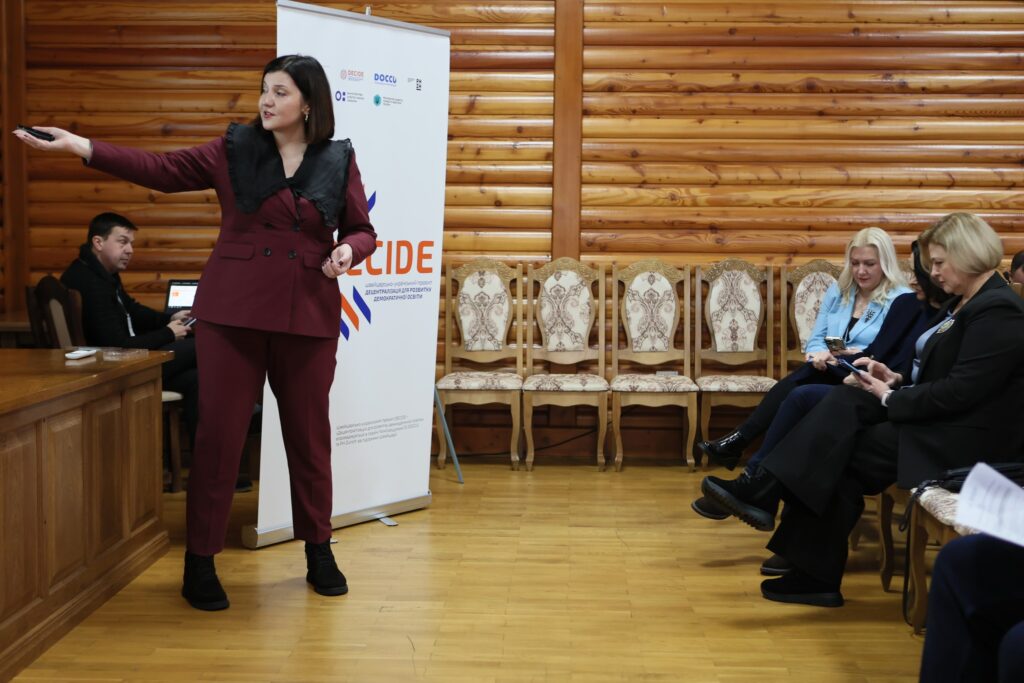
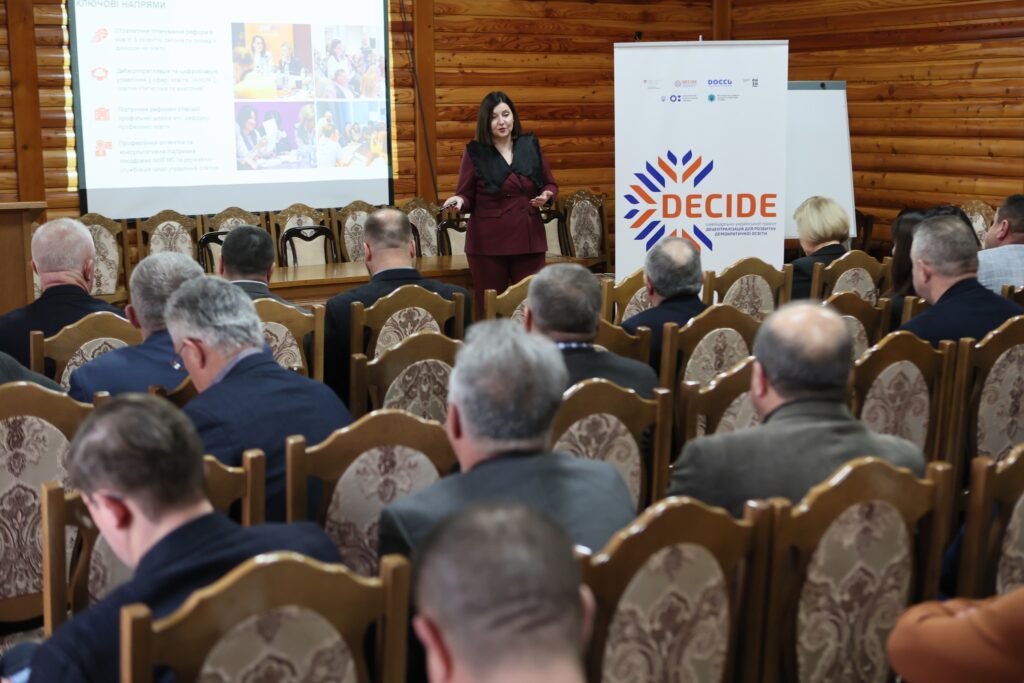
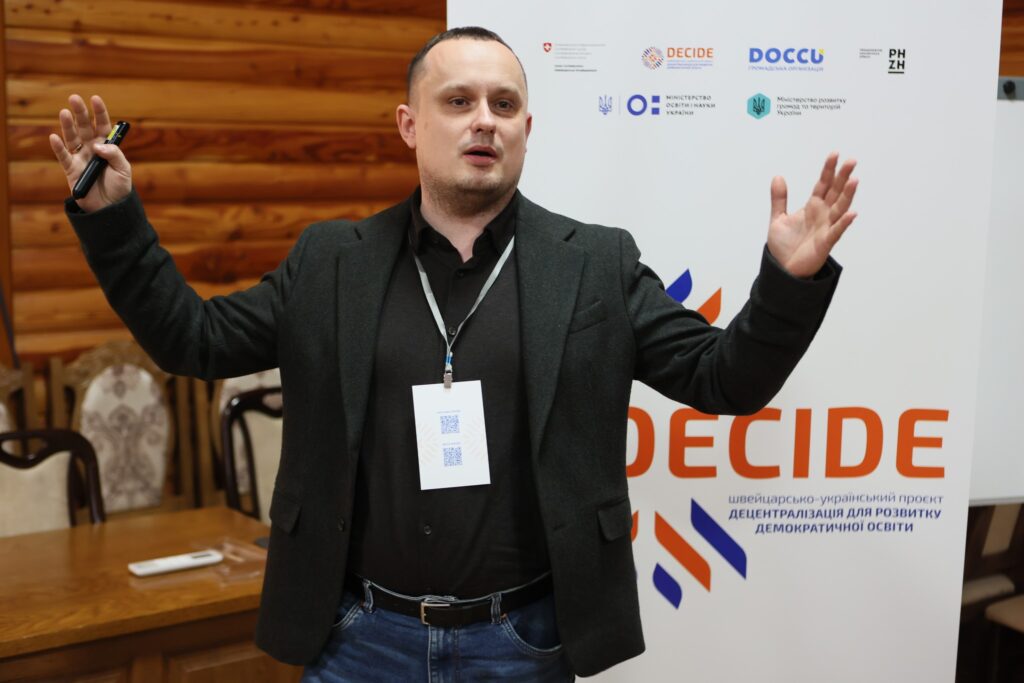
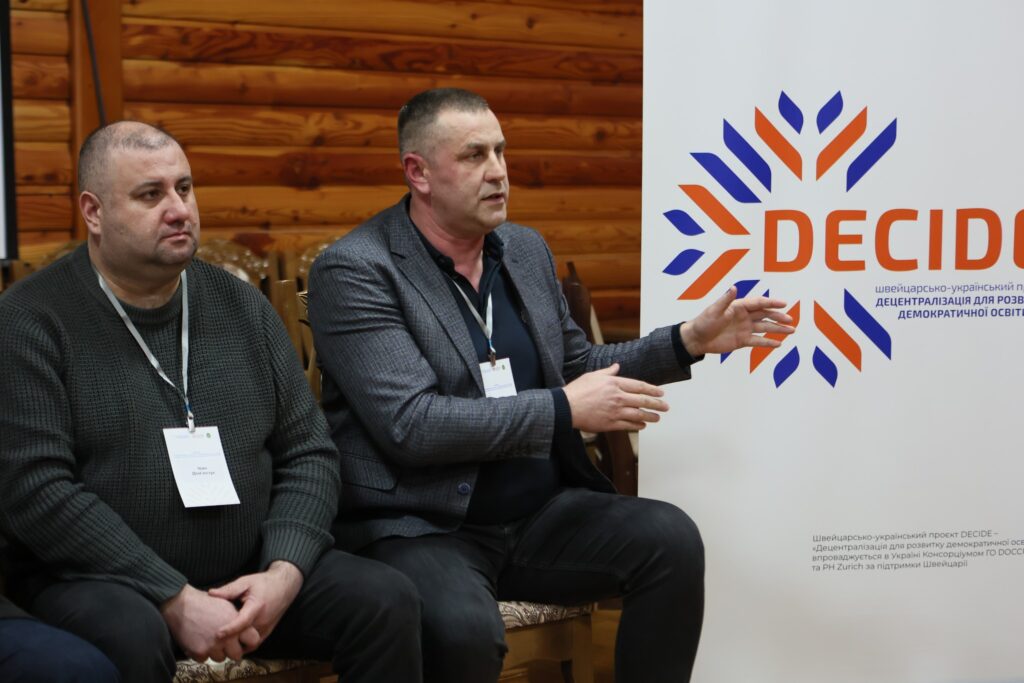
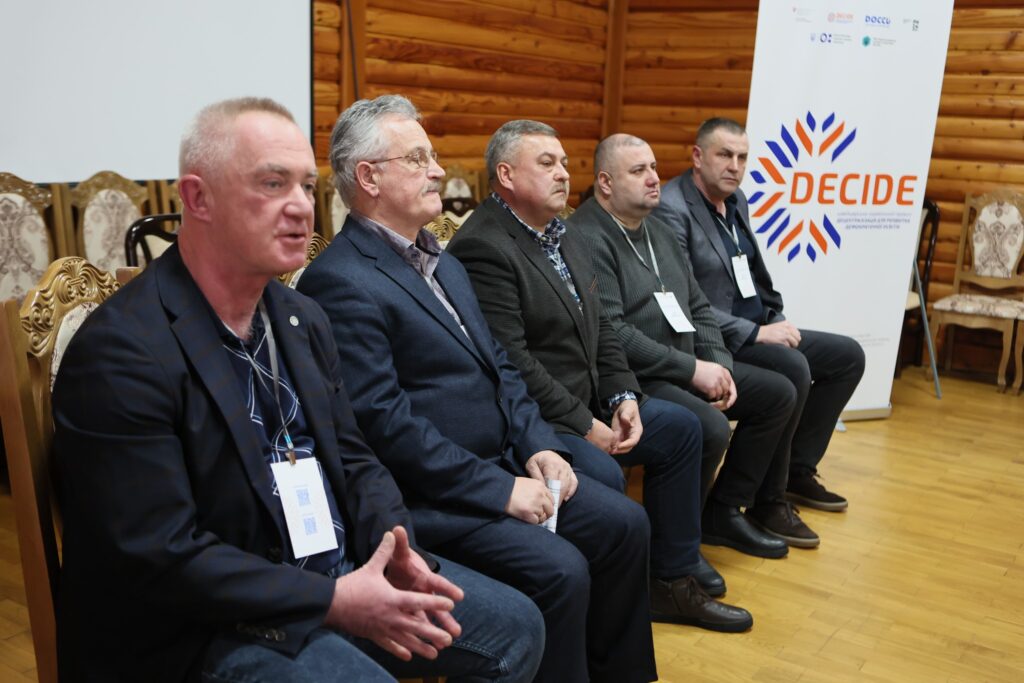
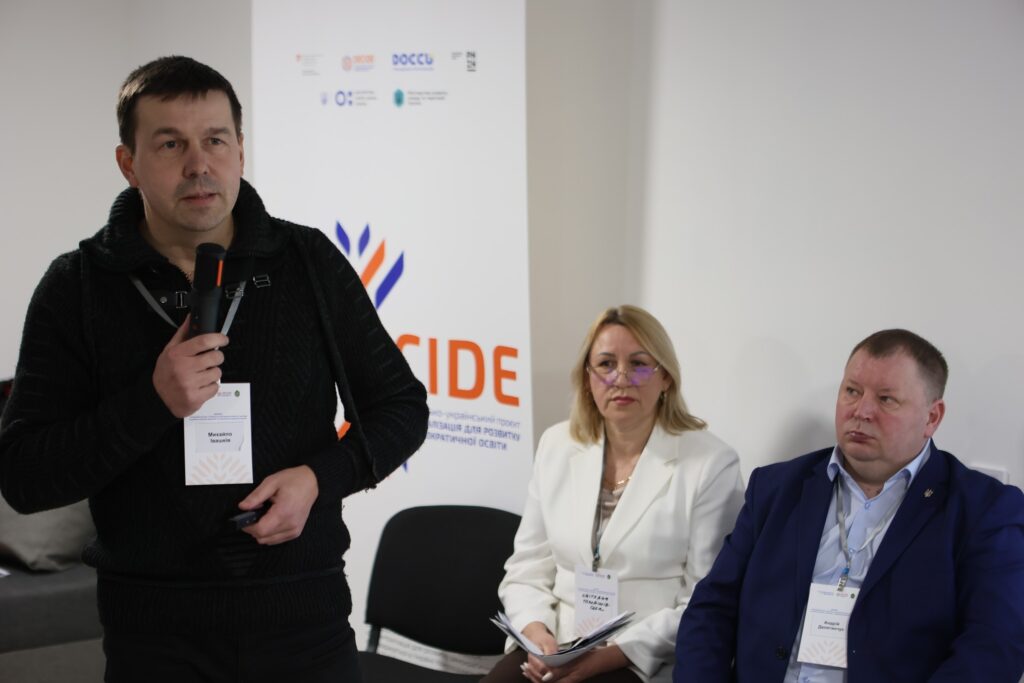
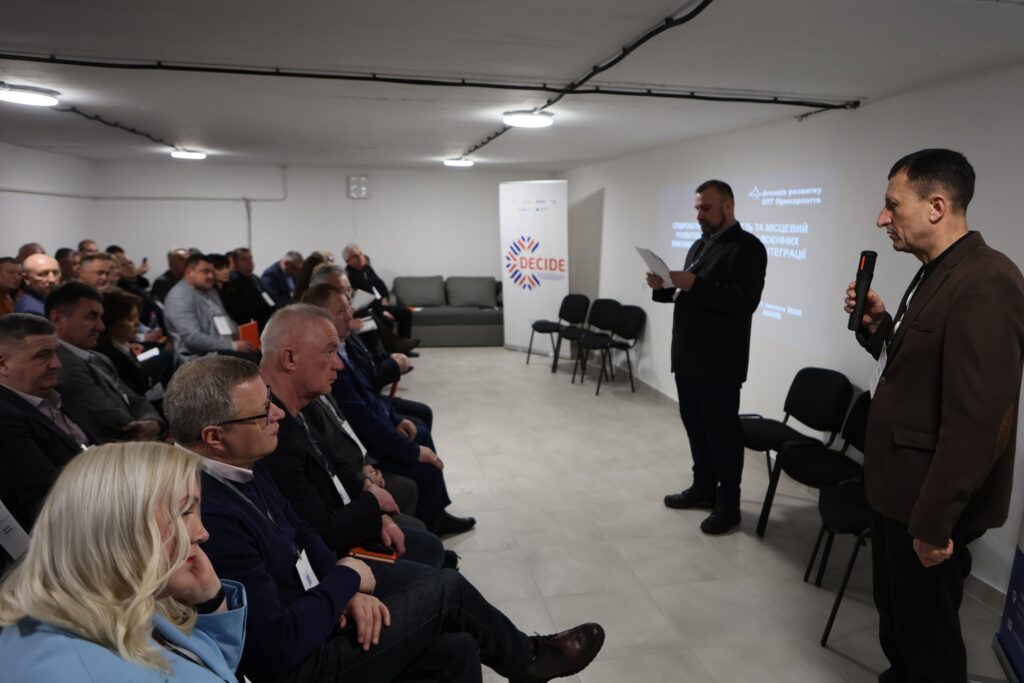
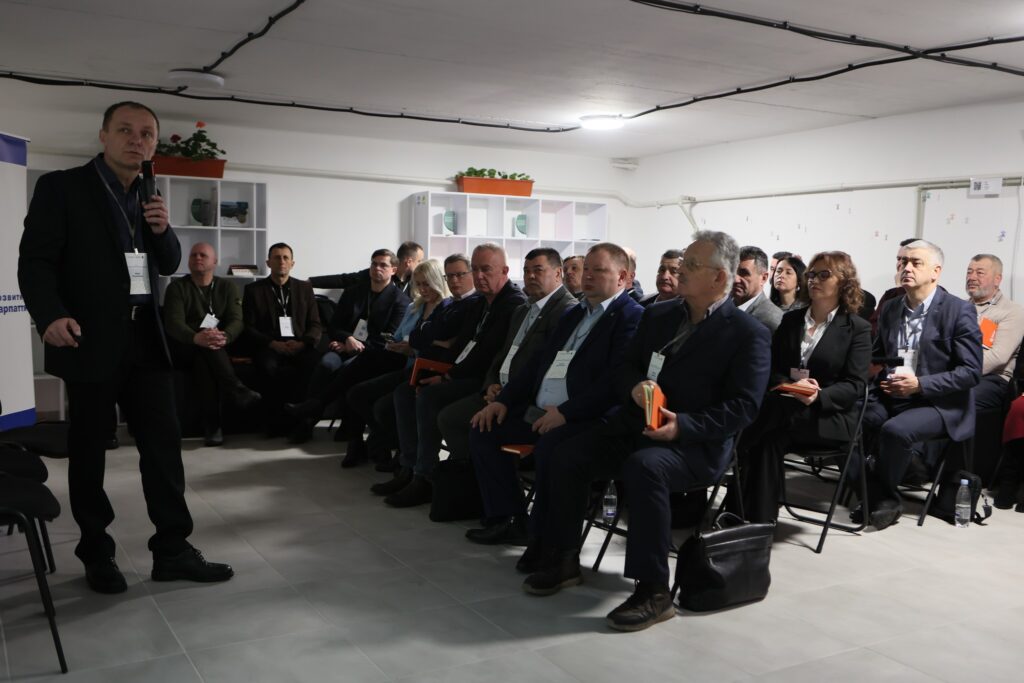
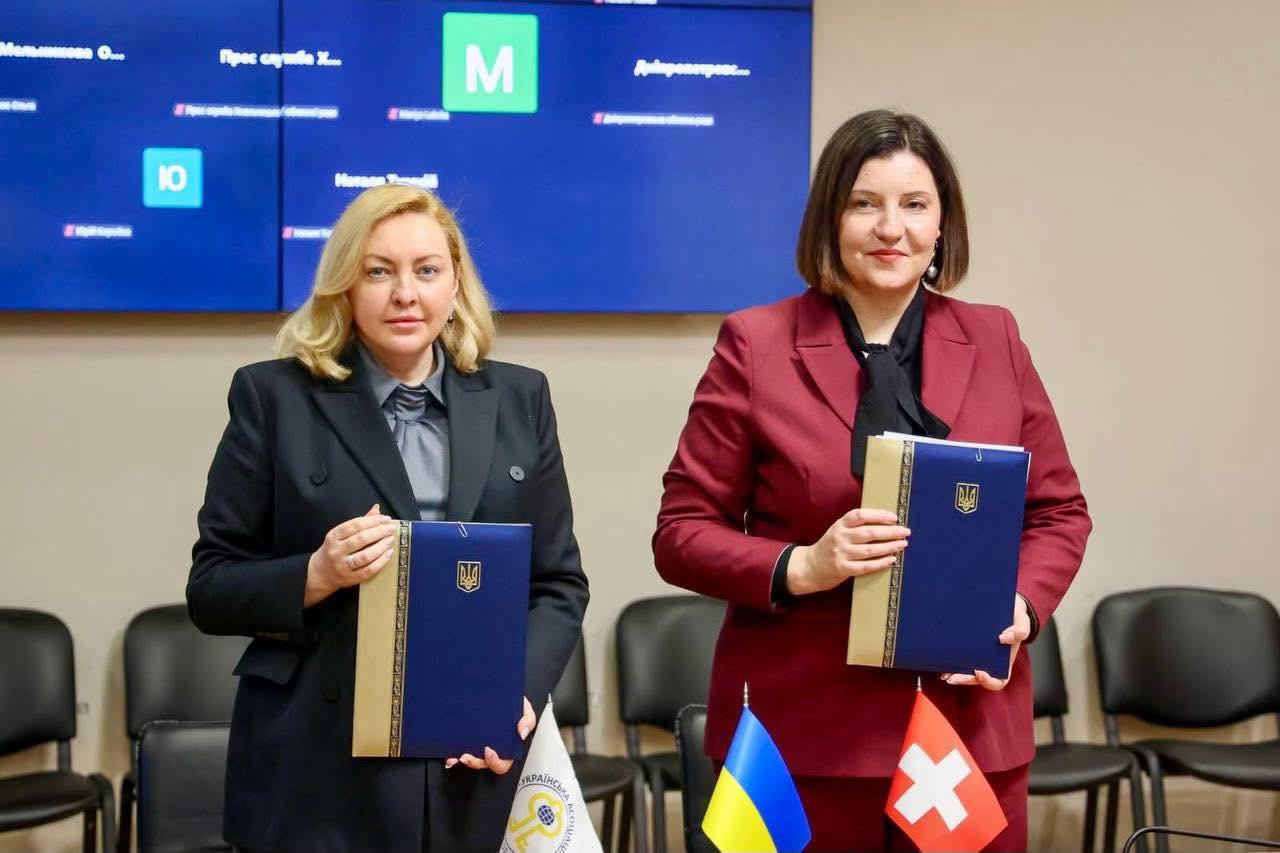
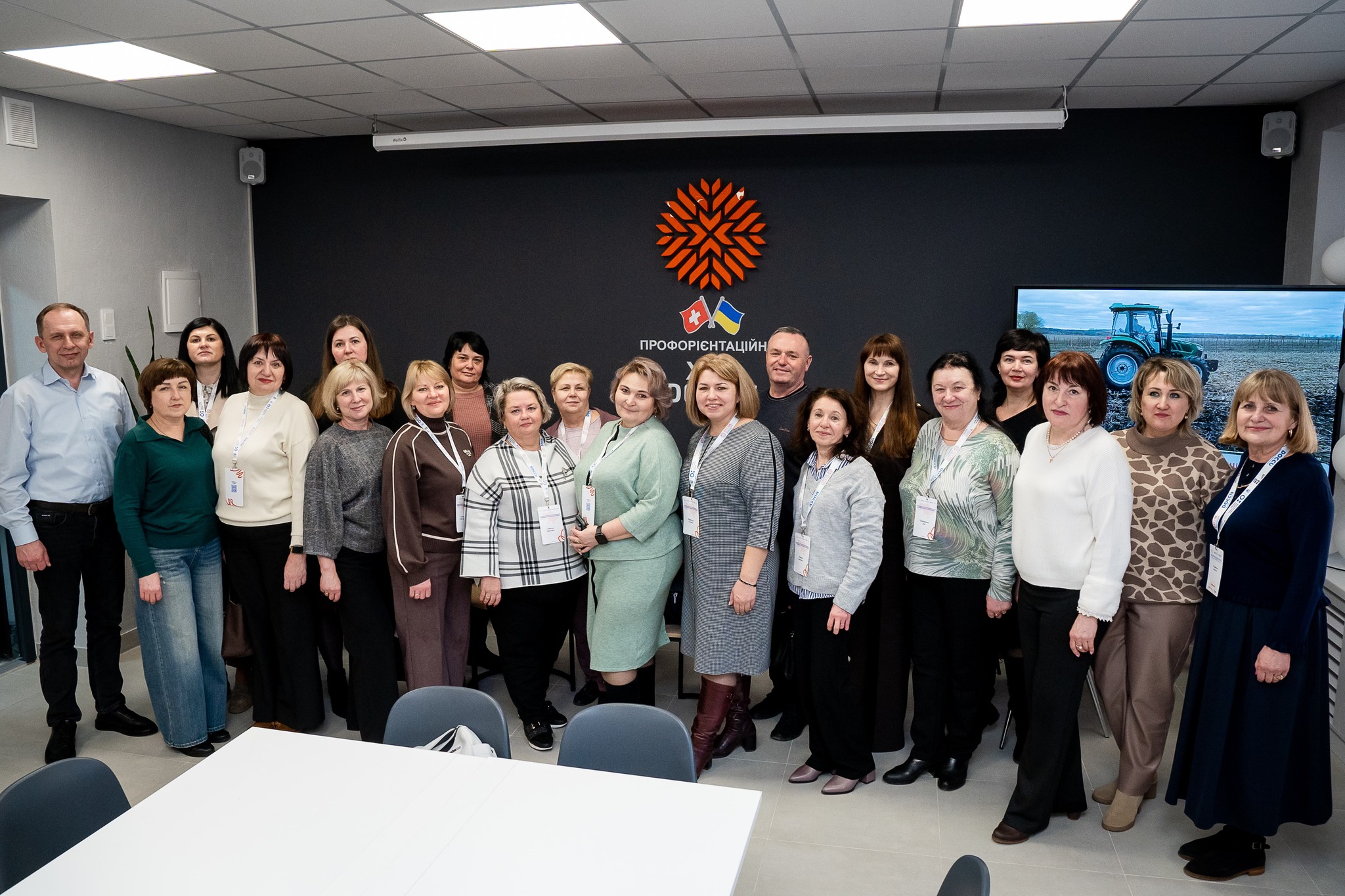
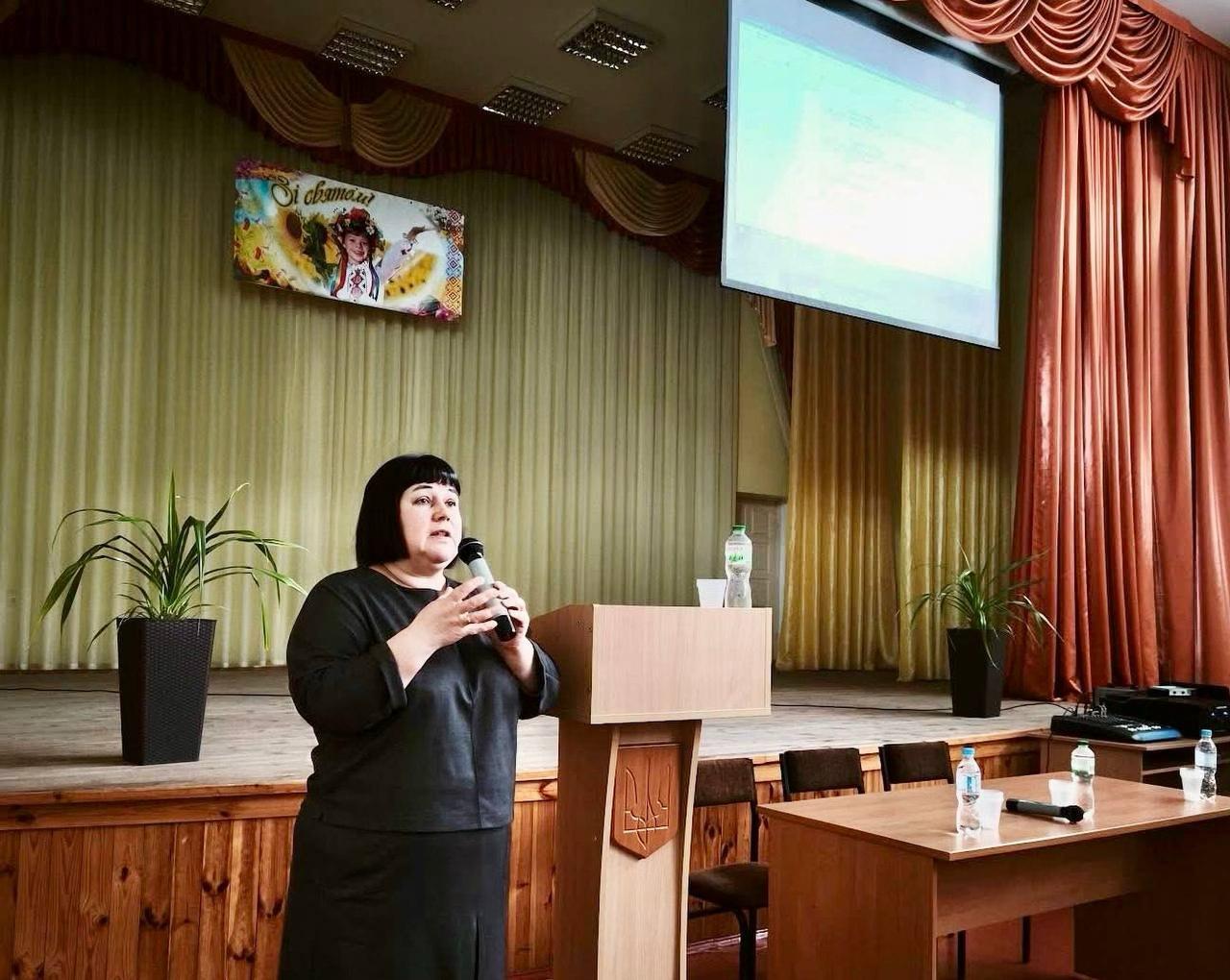
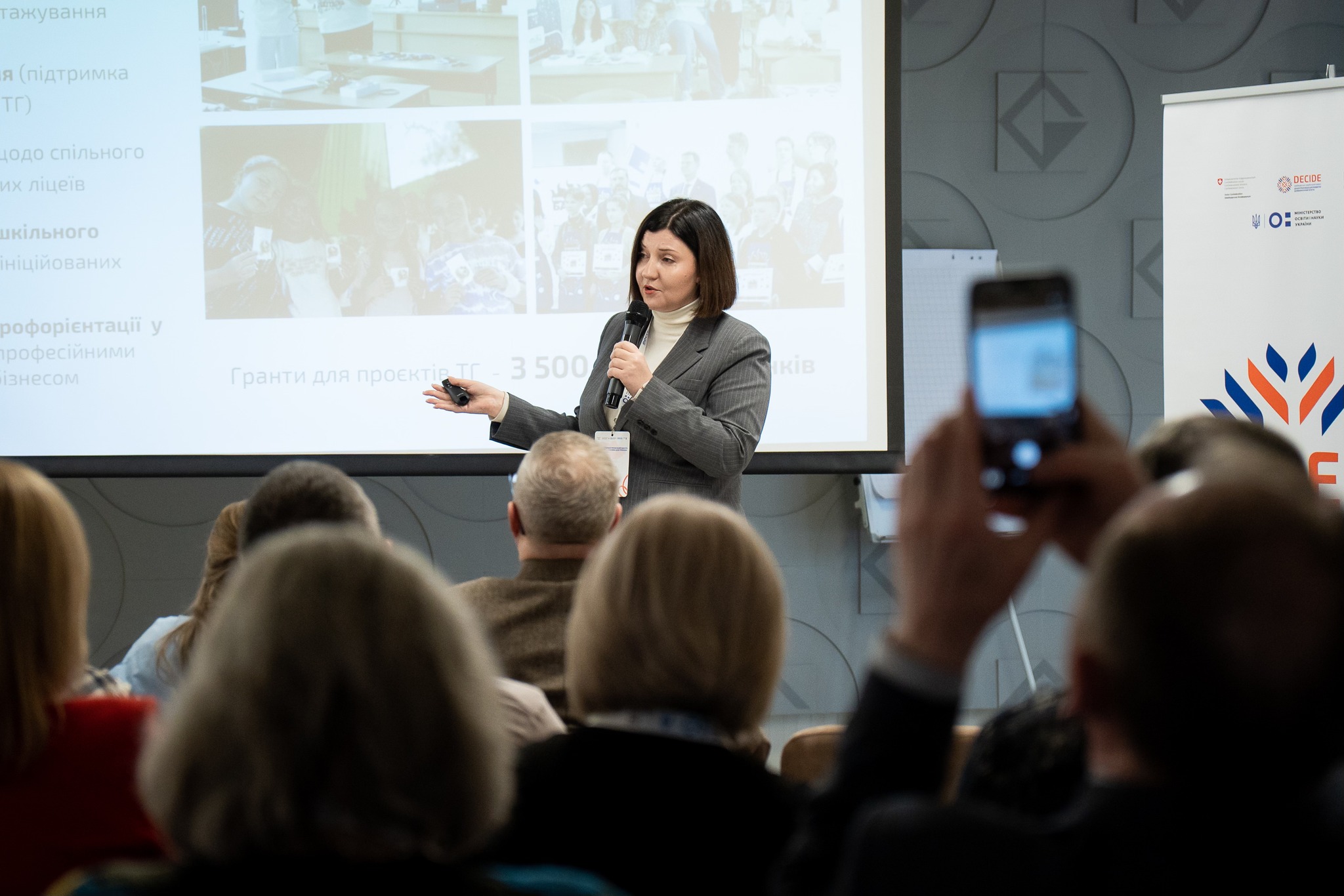
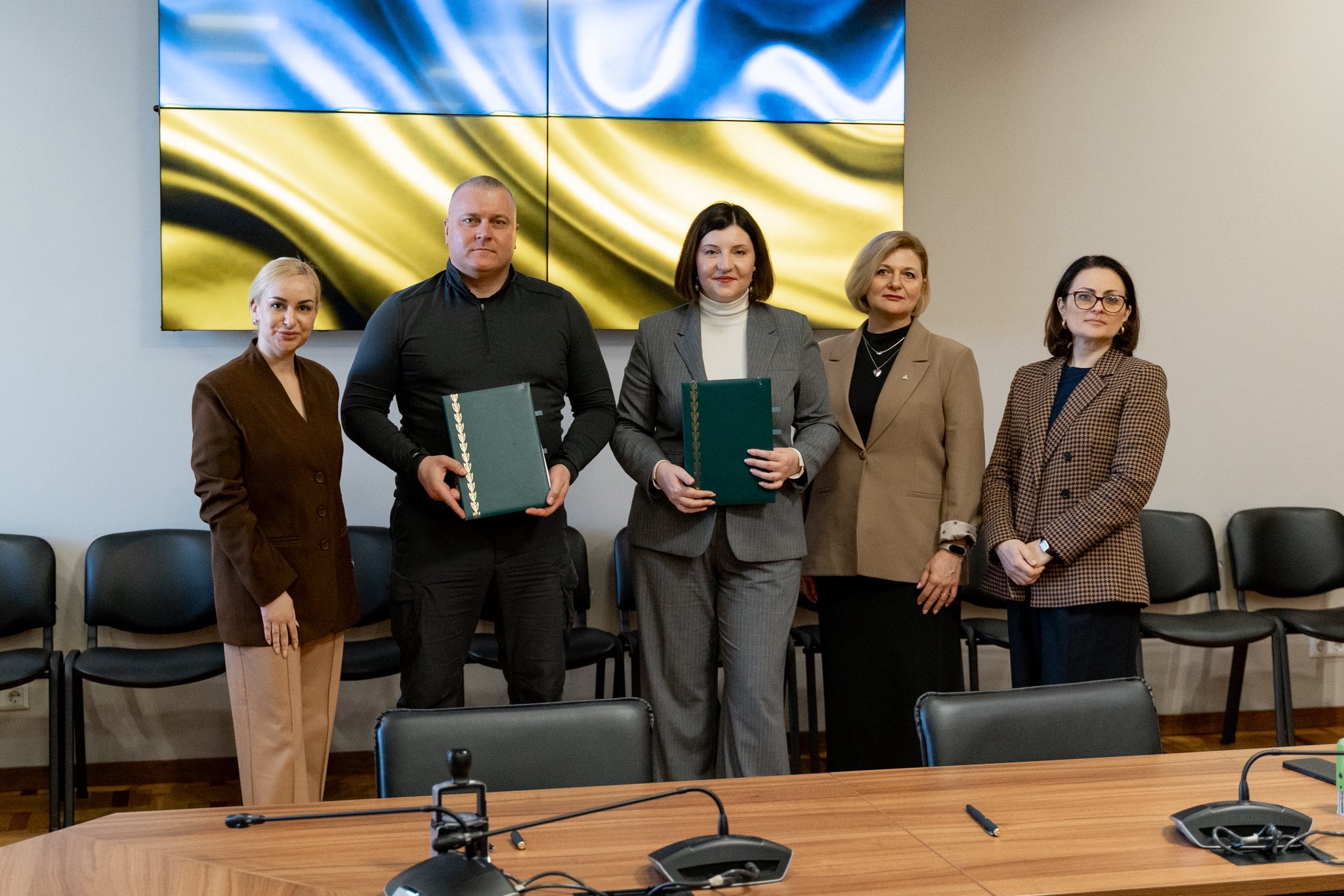
On 20–21 February, DECIDE Project, in partnership with the Development Agency of the Prykarpattia Communities, supported a two-day conference entitled ‘Cooperation, Resilience and Local Development of Communities in the Context of Military Challenges and Prospects for European Integration’, which was held in Kosiv urban community in Ivano-Frankivsk region.
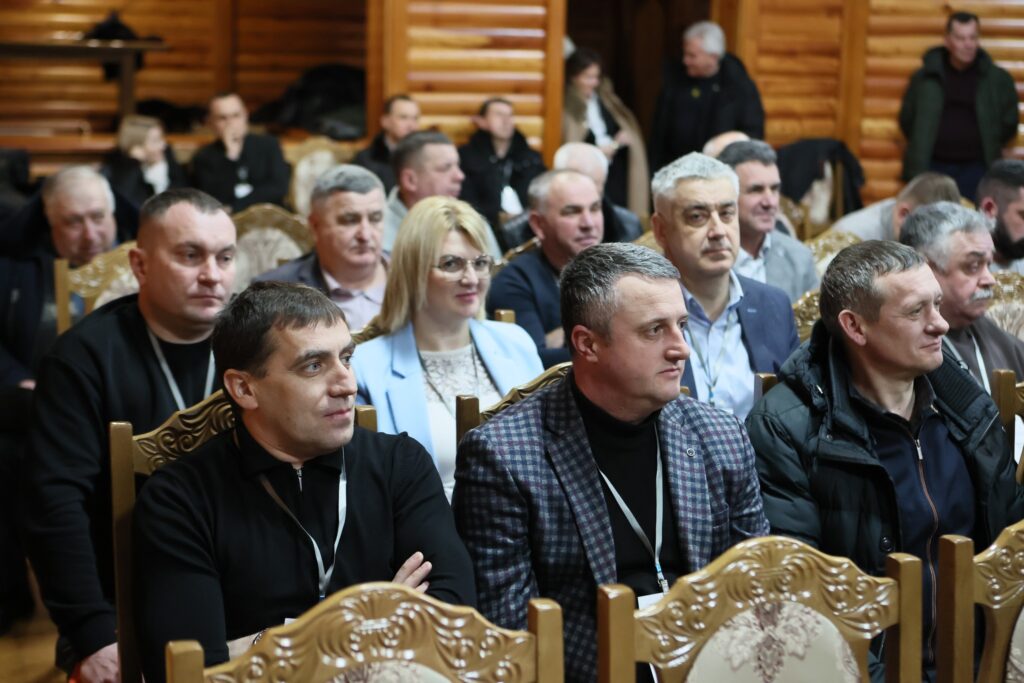
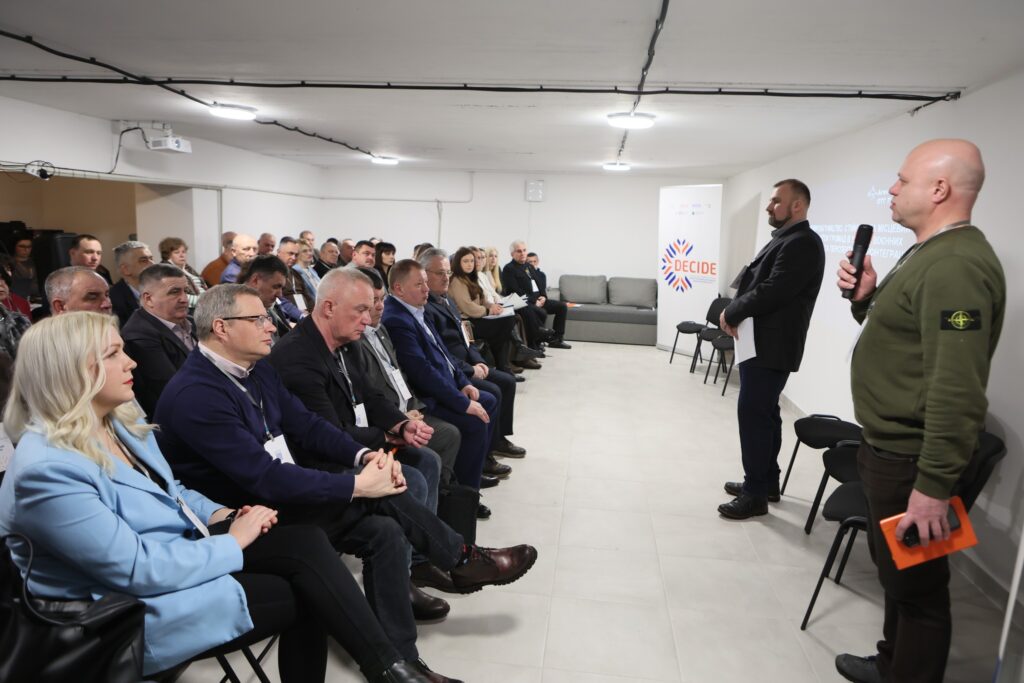
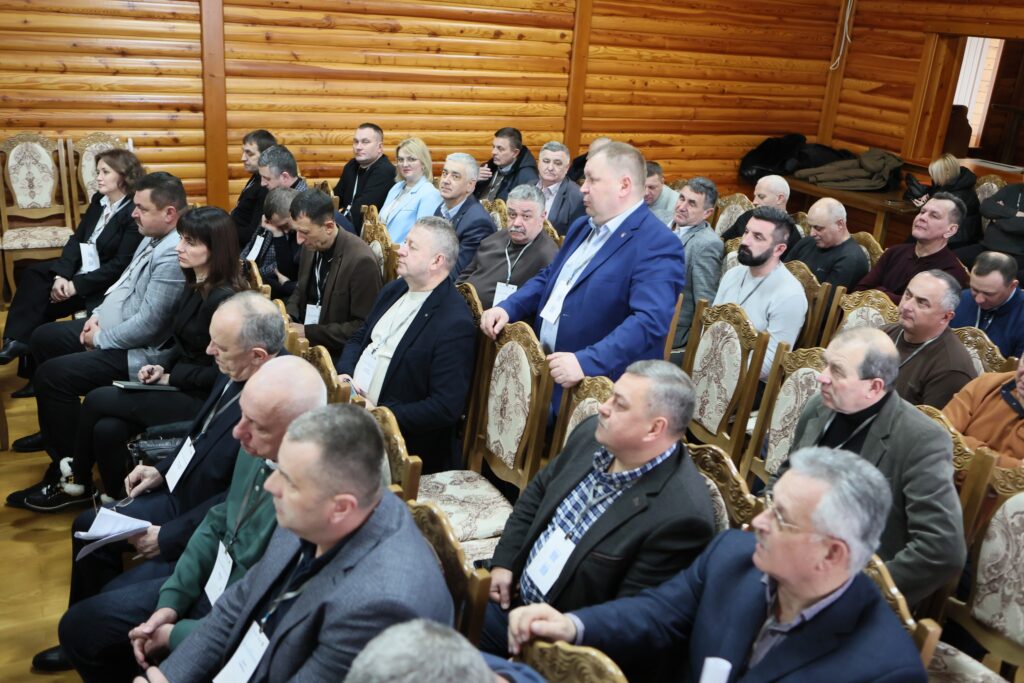
The event brought together the heads of communities in Ivano-Frankivsk region. The heads of communities in Zakarpattia and Rivne regions also joined the event.
The discussion focused on the transformation of the education network as a key condition for enhancing the institutional capacity of communities and tools that will be useful for building partnerships with the EU, particularly in educational infrastructure.
Key topics of discussion included:
- organisation of specialised training and formation of a capable educational network, taking into account demographic changes and security challenges in the region;
- transition to 12 years of complete general secondary education as a European standard;
- logistics in remote mountainous areas and ensuring territorial accessibility of education;
- risks of delays in management decisions regarding changes in the education network.
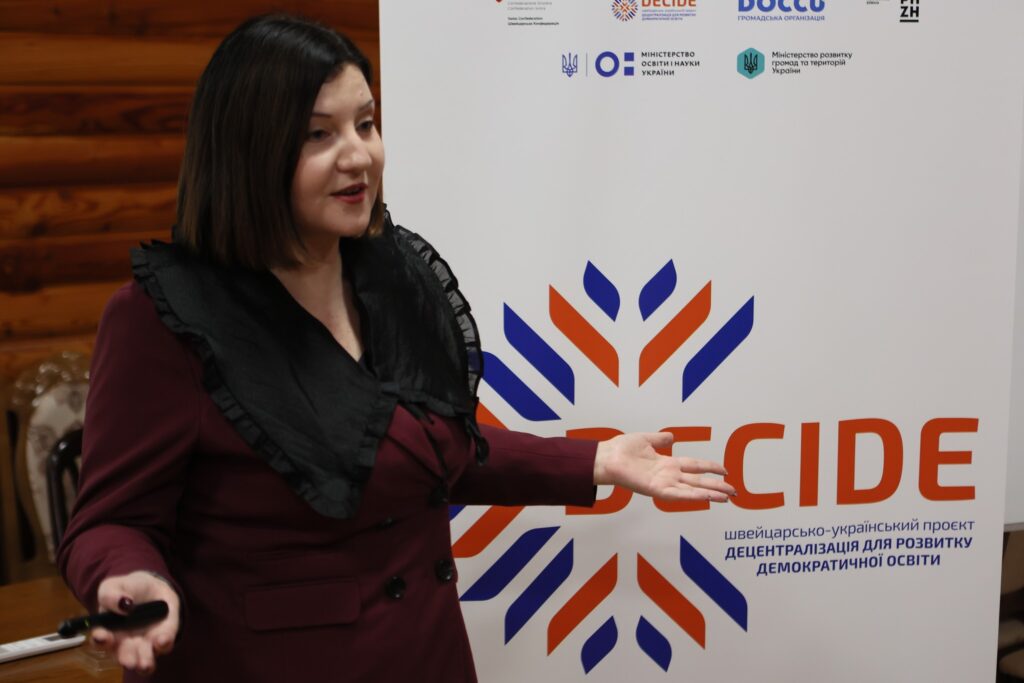
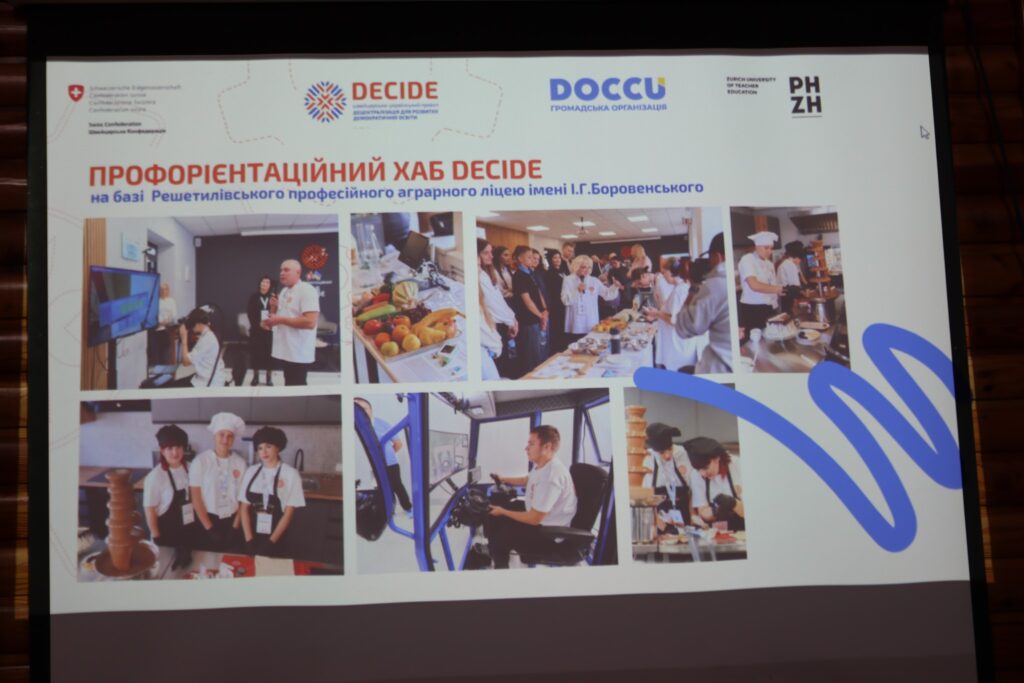
Valentyna Poltorak, DECIDE Project Manager, introduced participants to the directions of the second phase of the Project and the opportunities for communities in Ivano-Frankivsk region to join the partnership, particularly in developing specialised secondary education and cooperation between authorities, education and business on career guidance for children and adolescents.
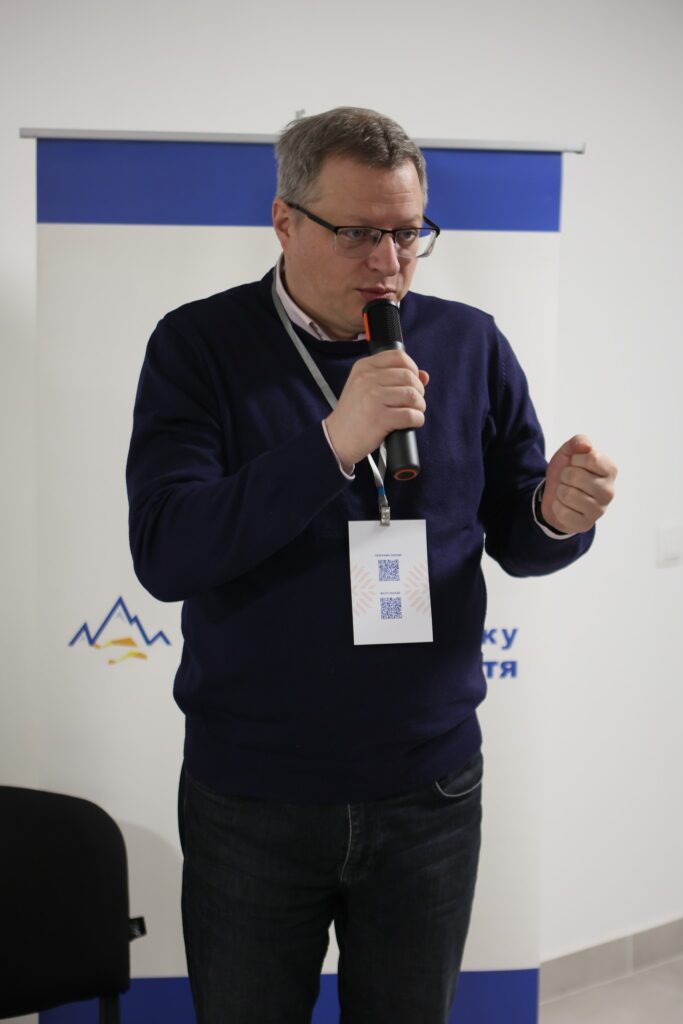
Serhii Yatskovskyi, DECIDE National Expert and coordinator of the initiative to create a network of academic lyceums, highlighted the problem of the ‘hidden tax’ on education, where high NMT results are often achieved through additional lessons with tutors. One of the tasks of the reform is to minimise this need and ensure high-quality training directly in educational institutions.
Pavlo Ostapenko, DECIDE National Expert, emphasised the importance of forming a capable network of educational institutions, taking into account demographic forecasts and the territorial characteristics of the region. In his words, educational decisions should be made taking into account the long-term development strategy of communities.
The participants stressed the need for dialogue with the Government on defining the profiles of lyceums and the need to finance infrastructure projects to ensure better transport for schoolchildren and the construction of boarding schools in mountainous areas. Senior specialised schools should be centres of quality education and choice for students, regardless of whether they are located in rural communities or cities.
Currently, DECIDE Project team continues to provide advisory support to communities in planning a network of academic lyceums.
To view the photo gallery, click on the photo.