Whenever people talk today about overcoming the educational losses caused by the war or the pandemic, the first things that come to mind are gaps in knowledge of maths or chemistry. However, in Olevska community in Zhytomyr region, they have taken a deeper look at the matter.
‘There is another aspect to this problem, one that is common nationwide: children often have no idea at all what they want to be or what they really like,’ argues Vira Kovalchuk, Acting Head of the Department of Education, Youth and Sport at Olevsk City Council. ‘A child has to first figure out what they want to become. Only then will they develop a conscious motivation to study their chosen subjects. Making this decision is easier in a big city, but in communities where most localities are rural, it is much more difficult.’
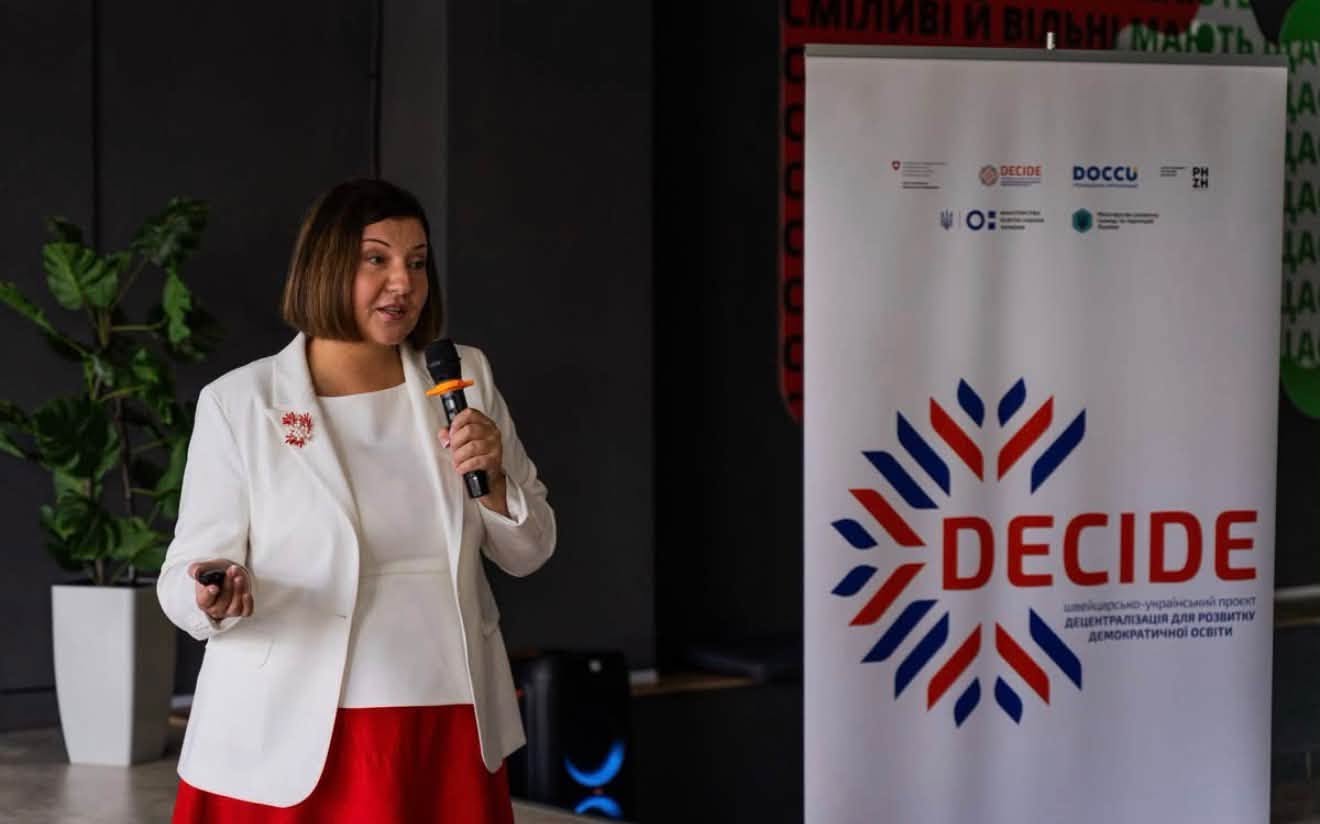
This summer, Olevska community joined the large-scale DECIDE Summer Clubs 2026 initiative “We are at home – in Ukraine” for the first time. The initiative is implemented by the Swiss-Ukrainian DECIDE Project. These summer clubs provide leisure activities and career guidance for children and teenagers in communities of Ukraine. Despite their debut experience, the space for active leisure and practical careers guidance exceeded all expectations, both of the educators and the families themselves.
The story behind it
Summer clubs were organised at three secondary schools: Olevsk Lyceum No. 2 hosted three full sessions (from 15 June to 24 July), whilst the Lopatychi and Radovel Lyceums each hosted one session. The clubs were designed for children in grades 5–9, bringing together children from different parts of the community.
‘To ensure that participation was available to absolutely everyone, the education department made arrangements well in advance to transport schoolchildren from different localities. Everything had been thought through in detail and taken into account,’ says Liudmyla Filonenko, Deputy Principal for Academic Affairs at Olevsk Lyceum No. 2.
The summer clubs worked every day from 9.00 am to 1.00 pm. And although the teachers had initially expected around 50 children, reality soon exceeded their expectations – word of mouth did the trick.
‘On the first day there were 53 children, and by the very next day parents started calling to ask us to enrol their children as well. By the end of the shift, we had 65–70 children every day,’ recalls Inna Ostapchuk, an organiser and teacher at Olevsk Lyceum No. 2. ‘There was a real buzz: the children asked for an extra fourth shift and wanted to stay until at least 5:00 pm.’
In total, during the work of the summer clubs, nearly 120 schoolchildren in Grades 7–9 and up to two hundred younger pupils were enrolled, whilst at the Lopatychi and Radovel Lyceums, there were over 50 teenagers at each.
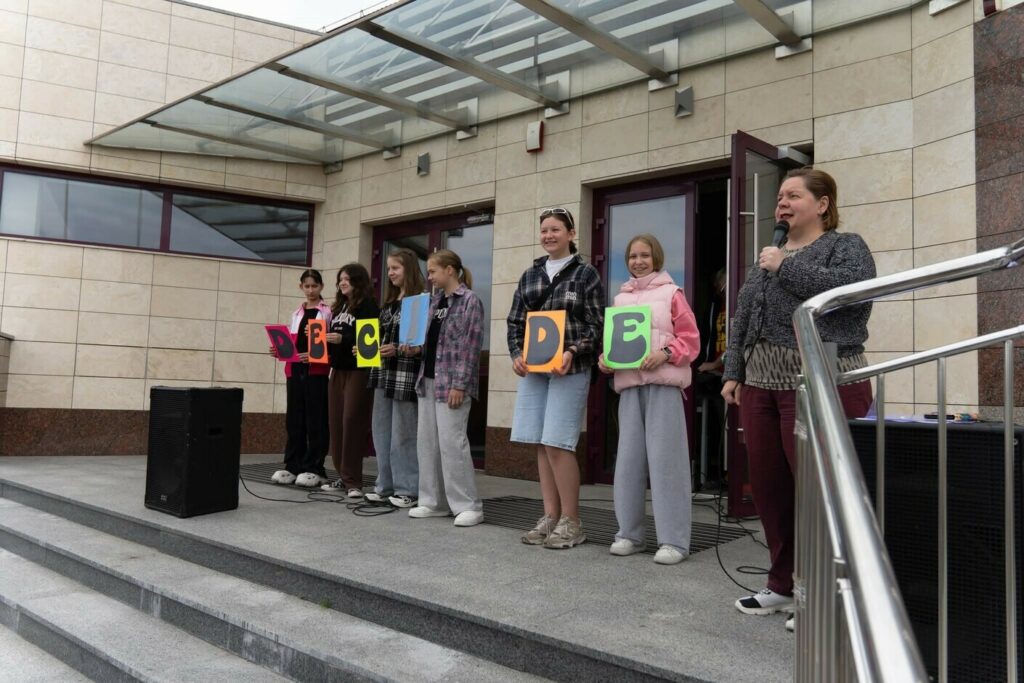
‘Children usually interact only in their own village, city, or school, and only occasionally meet at competitions or contests. But the summer club gave them the chance to get to know one another better and work together,’ emphasises Vira Kovalchuk. ‘The children formed teams regardless of which school they came from. Face-to-face interaction is extremely important.’
“The swimming pool or the roads?”: How schoolchildren tested the role of a community leader
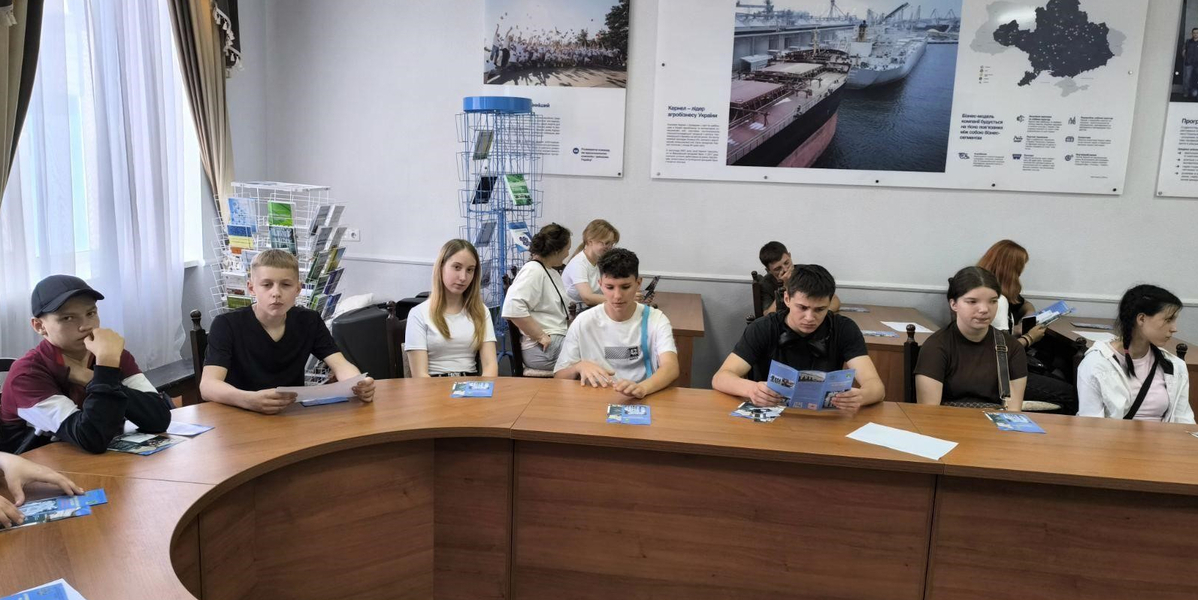
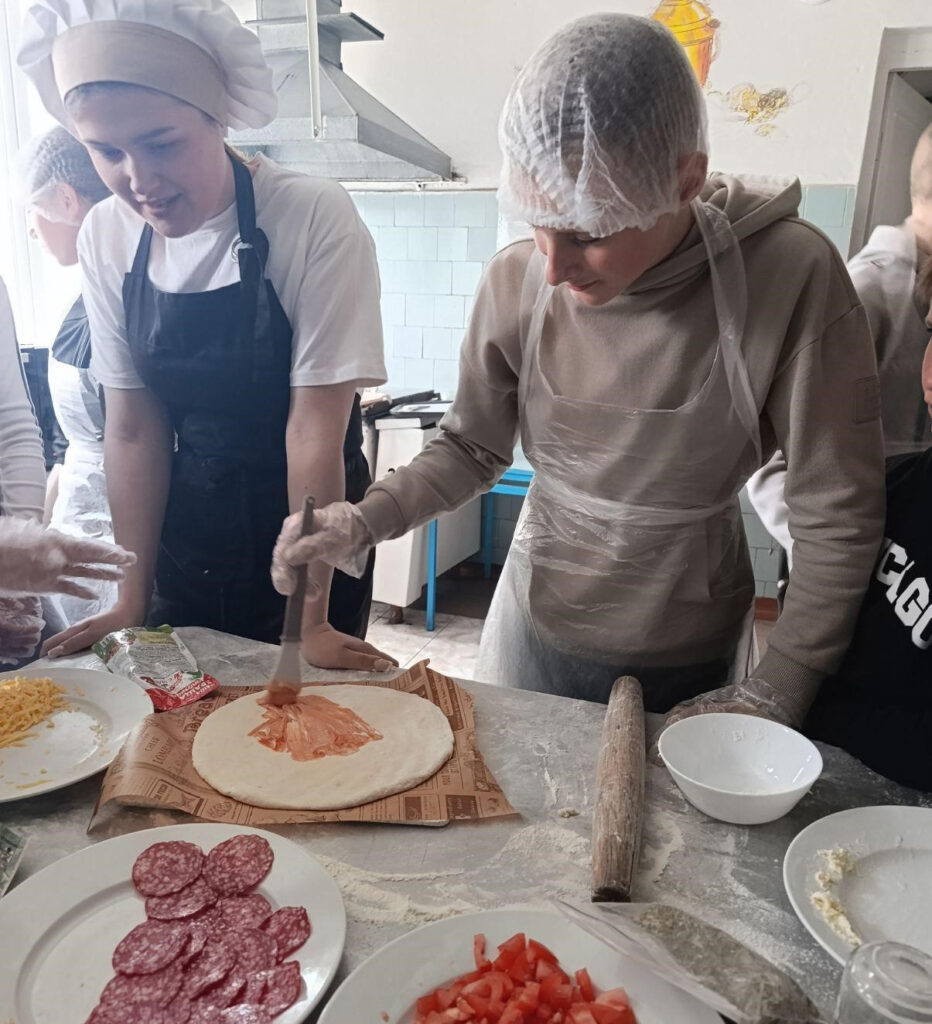
The club’s programme had nothing to do with passive leisure: every day, the participants explored one or two new professions, and up to four field trips were organised for them each week. One of the most fascinating experiences was the visits to the Olevsk City Council.
The schoolchildren not only observed the work of officials, spoke with the community leader and even sat in the Mayor’s chair, but also fully immersed themselves in the work of the council.
‘We invited the children into the council chamber and gave them the chance to feel like councillors: they elected a mayor and a secretary, and were asked to put a real proposal to the vote,’ recalls Vira Kovalchuk. ‘Someone immediately shouted, “Let’s allocate funds for a swimming pool!” Everyone voted “yes” unanimously. But then we explained that the budget was limited, and that the community needed roads before they could even get to that swimming pool. A dilemma arose: should they choose what they wanted, or what was urgently needed? The children saw for themselves how difficult it is to make reasoned management decisions.’
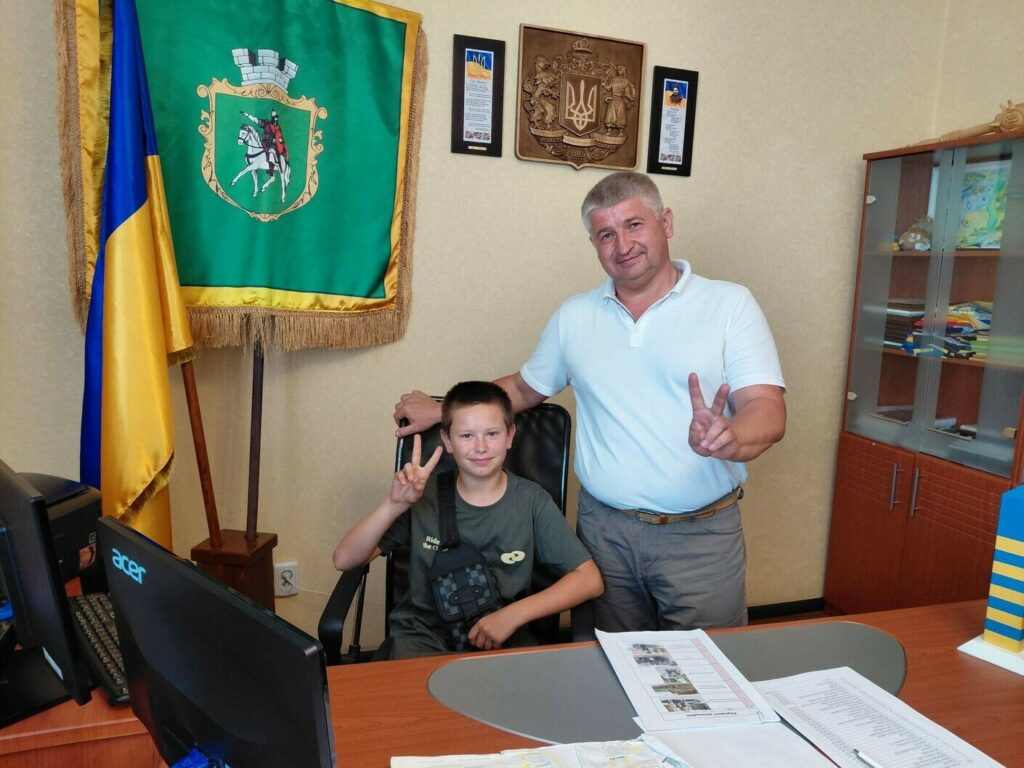
This practical modelling exercise helped the teenagers to view local self-government processes in a completely different light.
Woodworking “just like LEGO”, a fire hose, and microscopes at the public health centre
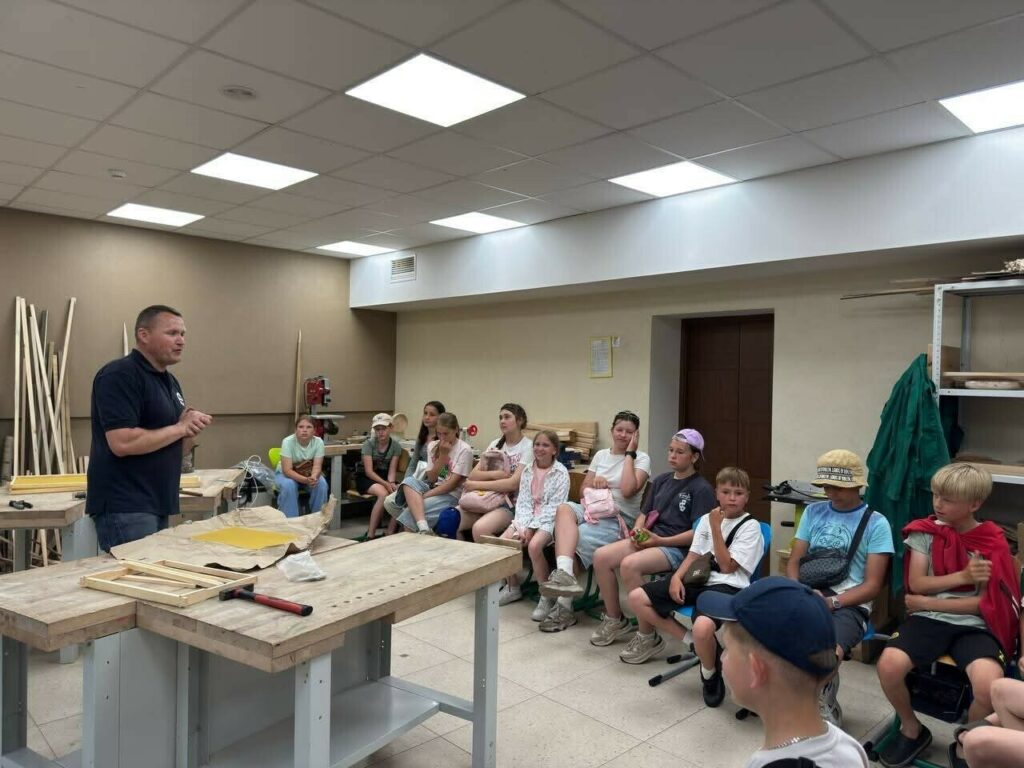
The tour itinerary covered key local businesses and emergency services. At the “Timbertek” timber-processing plant, the schoolchildren were given a hands-on demonstration of the entire production process.
‘The children saw the entire process: from the moment the tree is cut down to the finished house, which is then assembled like a LEGO set,’ recalls Liudmyla Filonenko. ‘They were shown how the wood is dried, planed, cut using machines and the parts joined together, and were told about the requirements for specialists and the level of pay. But most exciting of all was that the children were treated to some tasty snacks and even given a ride on the warehouse forklift trucks.’
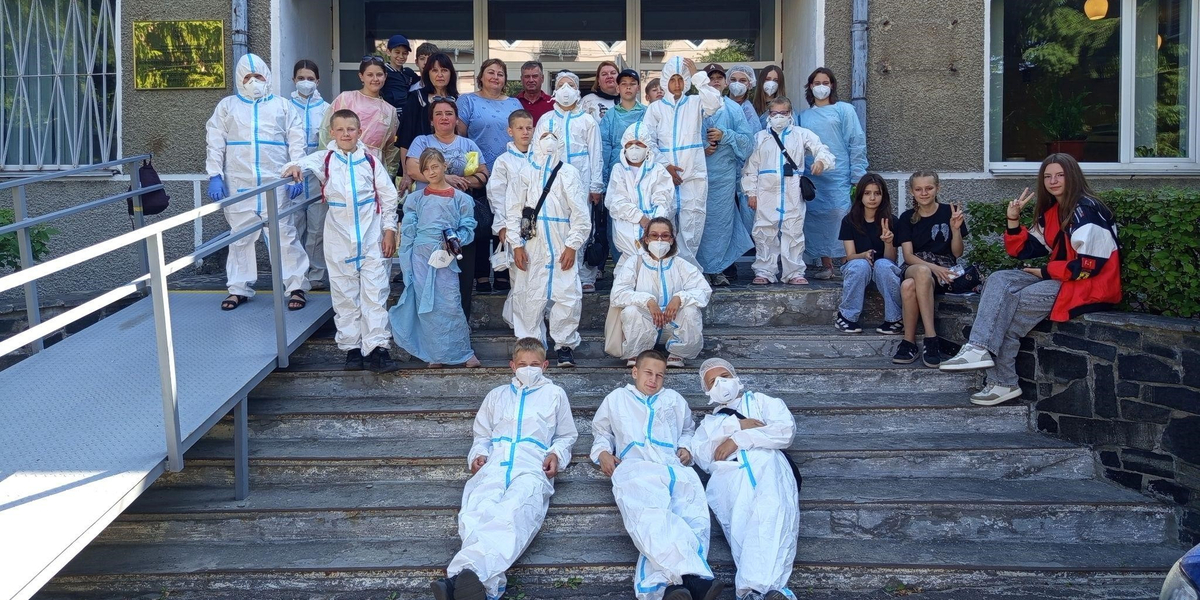
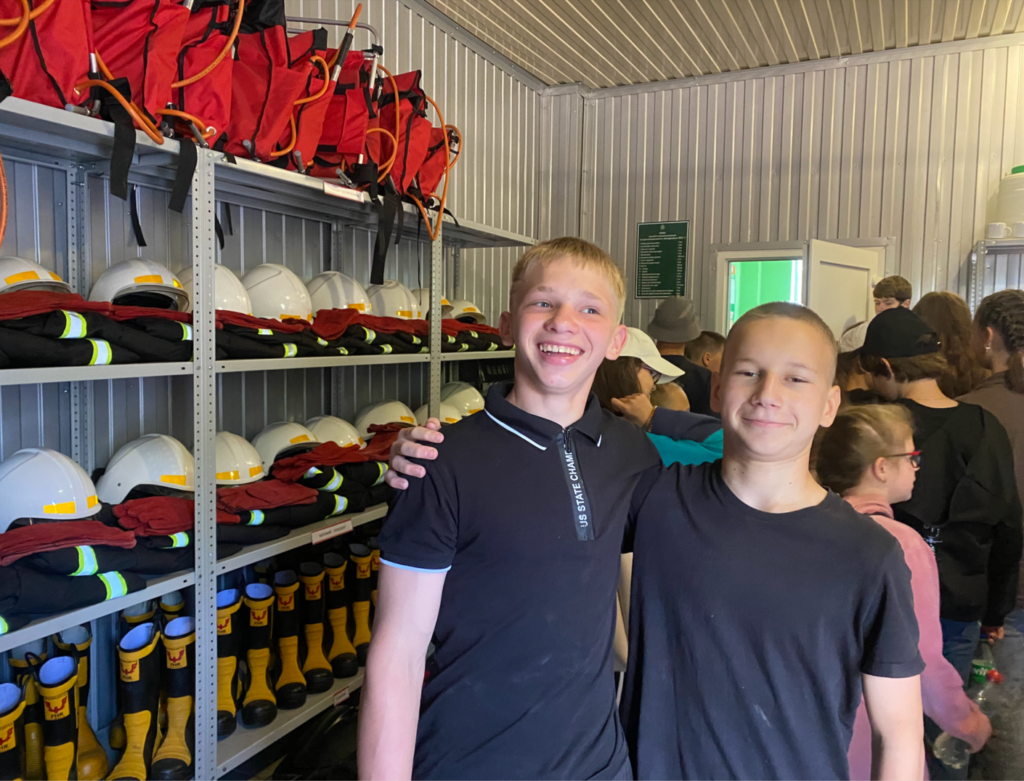
Not less exciting were the trips to the forestry, the public health centre, and the fire station.
‘When we went to the State Emergency Service in the sweltering heat, they poured a whole truckload of water over the children. It was an incredible treat,’ notes Inna Ostapchuk. ‘And when we were travelling by bus to the forestry, everyone sang songs together. The children looked through microscopes at the sanitary station and tried on uniforms. After the tour of the forestry, one boy said, “I still have time to improve my biology, because now I want to work here.”’
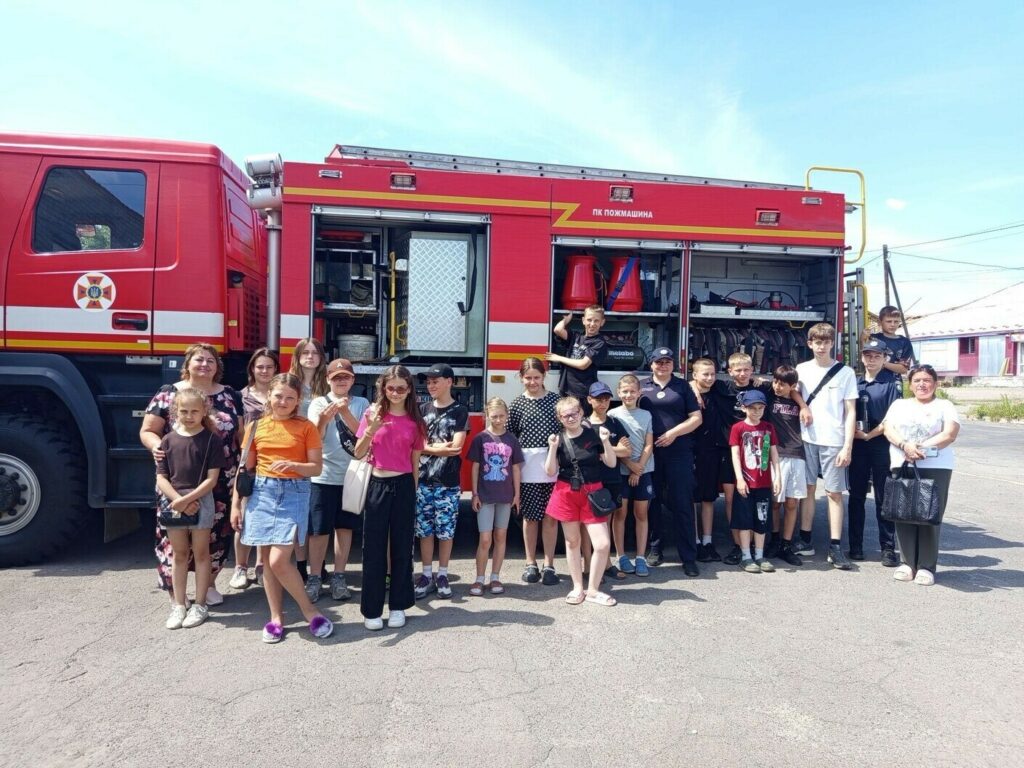
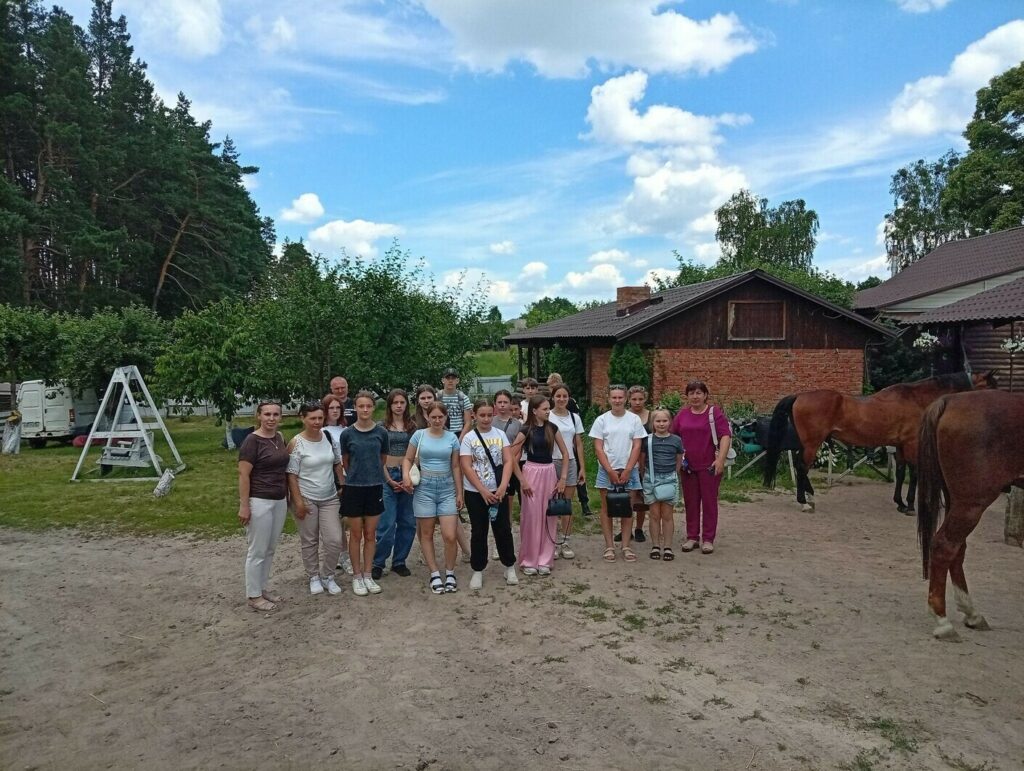
Moreover, the teenagers visited a plant-growing business, where the owners shared the secrets of starting their own business from scratch. They also went to the Centre for Children’s and Young People’s Creativity, where they were introduced to tourism, dance choreography, and modelling.
‘For us as teachers, seeing the excitement in the children’s eyes – as they look forward to coming back to the club every day – is what matters most,’ says Daryna Makarchuk, a teacher at the lyceum and a summer club leader. ‘They are interested not just in hearing about different professions, but in looking through a real microscope at the public health centre, trying on a lifeguard’s uniform or seeing how businesses actually operate. Children need to see things in practice so that they can choose a profession based on their vocation, rather than because their parents told them, “Go and become a doctor.”’
Local business owners and the emergency services welcomed the children with great warmth.
‘Everyone was more than happy to help, because businesses understand that these are their future employees growing up,’ adds Vira Kovalchuk. ‘It was very easy to organise. They told us, “You’ve brought life and children’s energy to us.”’
Warm-ups, a treasure hunt, and a 10-minute video: a day in the rhythm of the club
The daily programme at the lyceum was designed to keep the children constantly on the move and discovering new things.
‘Every morning we started with a warm-up: we all stood together, either making up our own exercises or repeating the movements from a video. It really energised us,’ says lyceum pupil Valentyna Talakh. ‘But what I enjoyed most were the excursions. It really does make a difference: after these trips, many of my classmates began to say sincerely that they wanted to choose the very professions we had seen with our own eyes.’
After the warm-ups, everyone moved on to sessions based on the DECIDE guide on education for democratic citizenship and human rights education (EDC/HRE): talking about identity, rights, responsibility and equality, and learning to resolve conflicts constructively. The practical ‘Healthy Plate’ session, quizzes, and safety training sessions generated lots of interest.
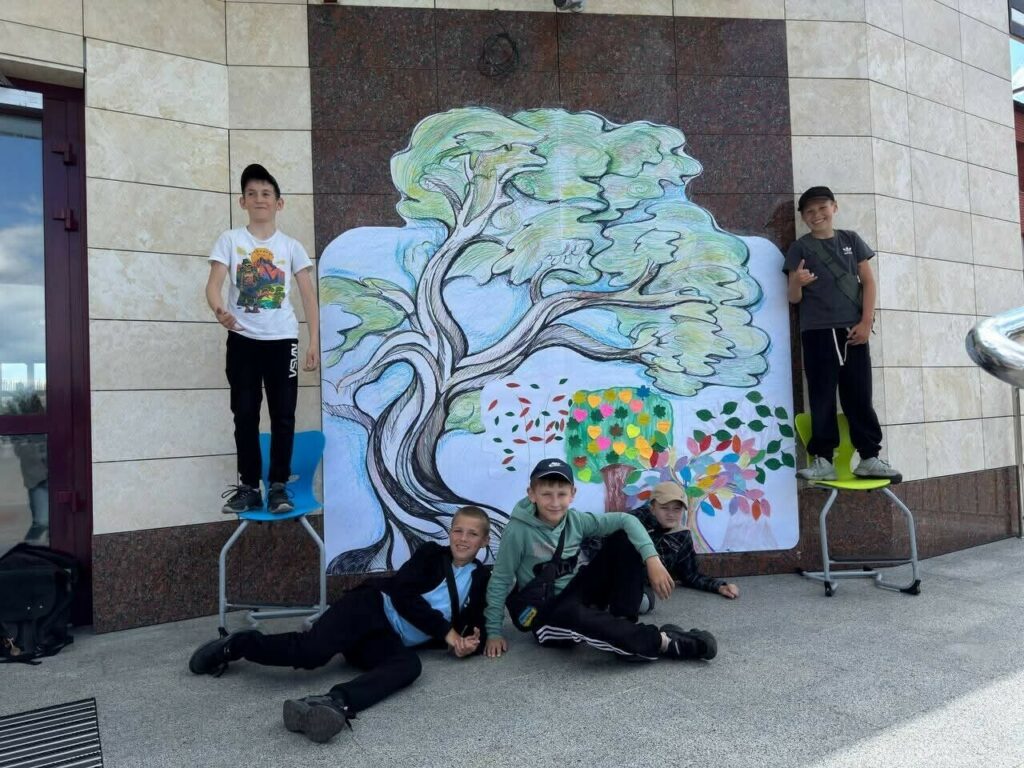
“We involved educational safety inspectors, the employment service, representatives of the Centuria organisation, and Red Cross specialists who ran practical mine safety sessions for the children,” emphasises Nina Tarasevych, Deputy Principal for Educational Work at the lyceum and head of the club..
A real test of ingenuity and teamwork was the one-and-a-half-hour career guidance quest developed by the teachers.
‘At one of the stations, the task was to film a silent video clip in 10 minutes so that the teachers could guess the profession,’ recalls Daryna Makarchuk. ‘The participants used sign language to depict detectives, chefs, couriers and florists, for whom they had even picked wildflowers in the school grounds. During this time, they became an exceptionally well-coordinated team.’
And during an interactive exercise on dealing with the aftermath of a hypothetical urban disaster, the schoolchildren were given a list of 30 professions, for each of which they had to identify a life-saving role.
‘We came to the conclusion that every profession is important in the community,’ emphasises Inna Ostapchuk. ‘The children even explained how a manicurist could help save the city after a disaster. After all, they have fine motor skills and can, for example, treat wounds and apply dressings.’
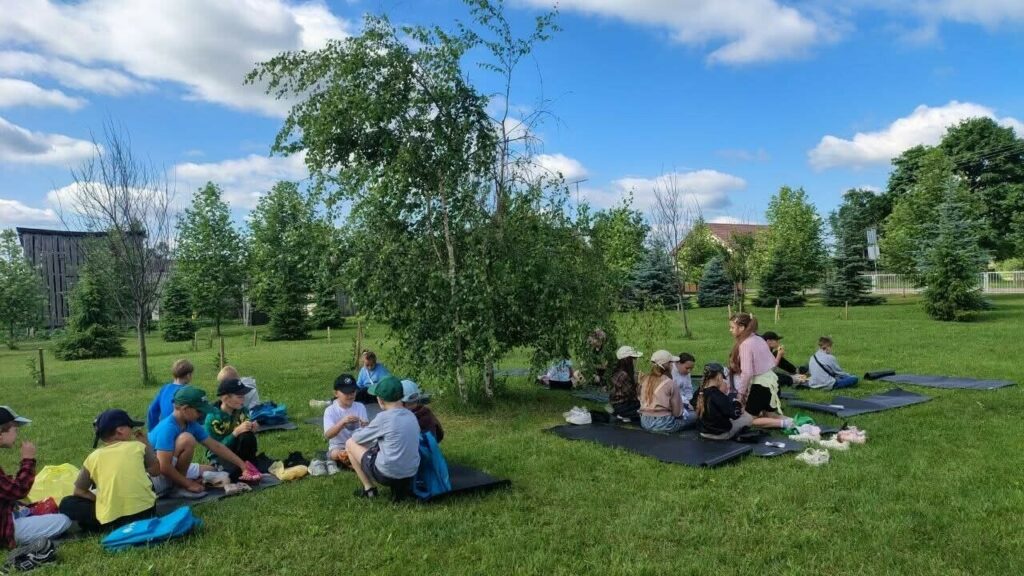
Every day, the teachers posted updates about everything happening at the camp on social media: colourful slideshows and videos garnered between 110,000 and 200,000 views, inspiring parents and raising the profile of the community.
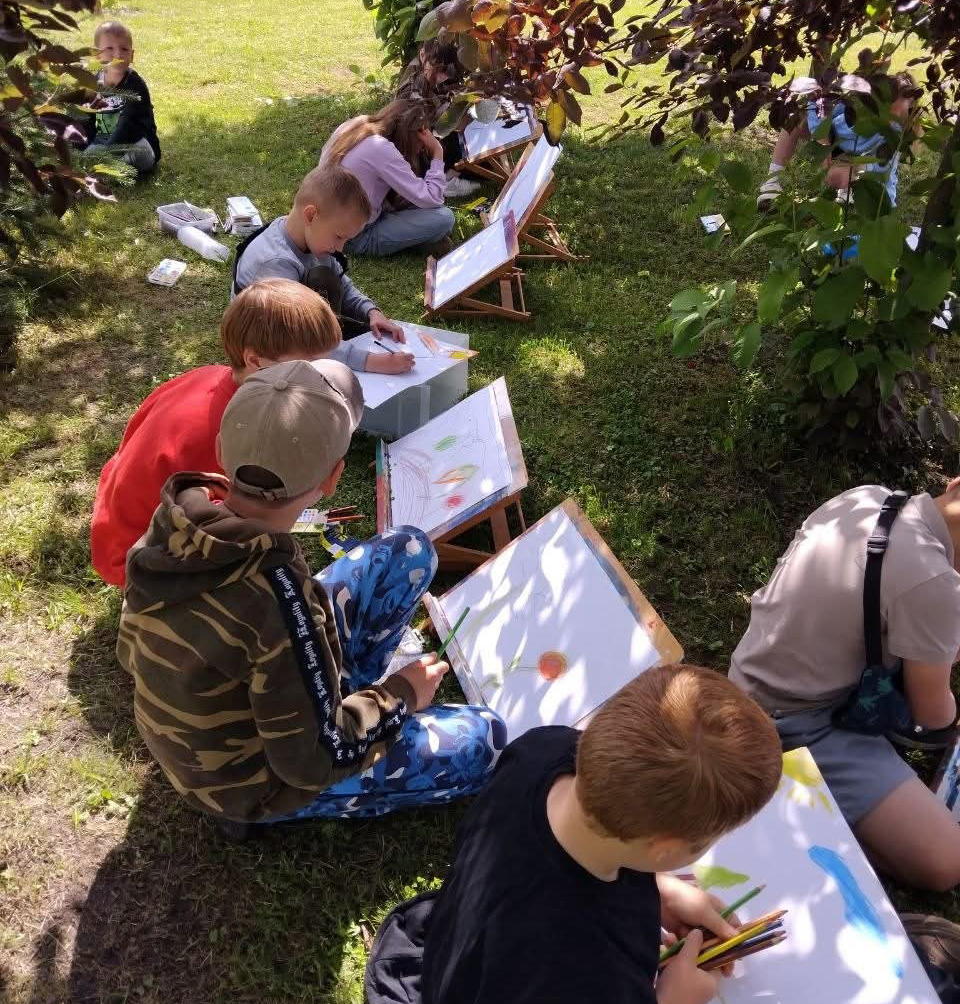
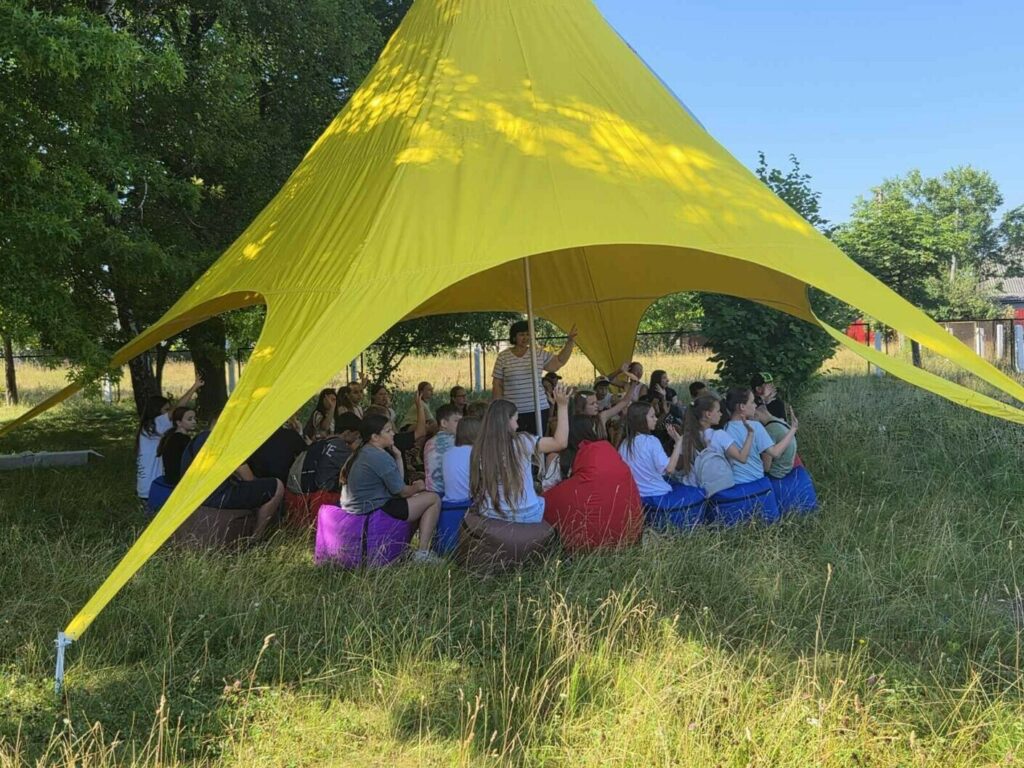
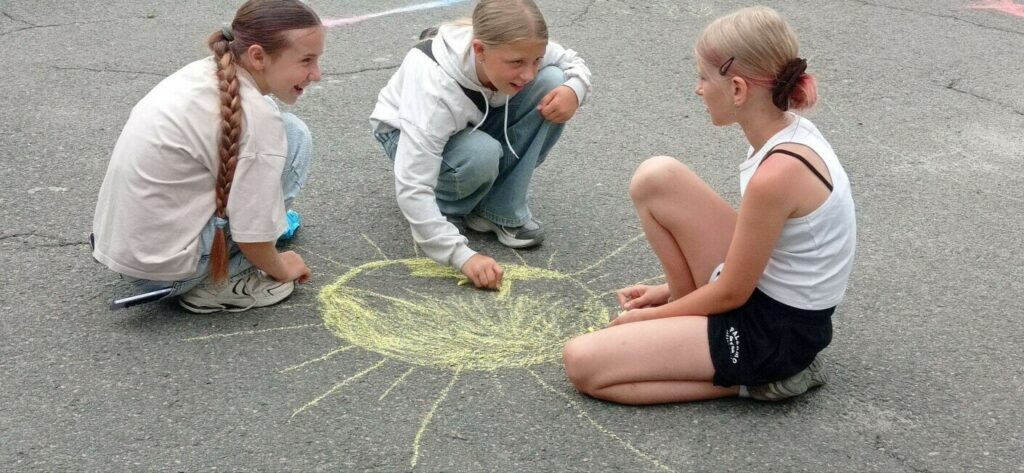
With support from DECIDE, the yard of Olevsk Lyceum No. 2 was transformed into a cosy youth space: under a large branded marquee, children sat on soft pouffes playing board games, doing jigsaw puzzles, and chatting. The end of each session was marked by a warm, creative reflection.
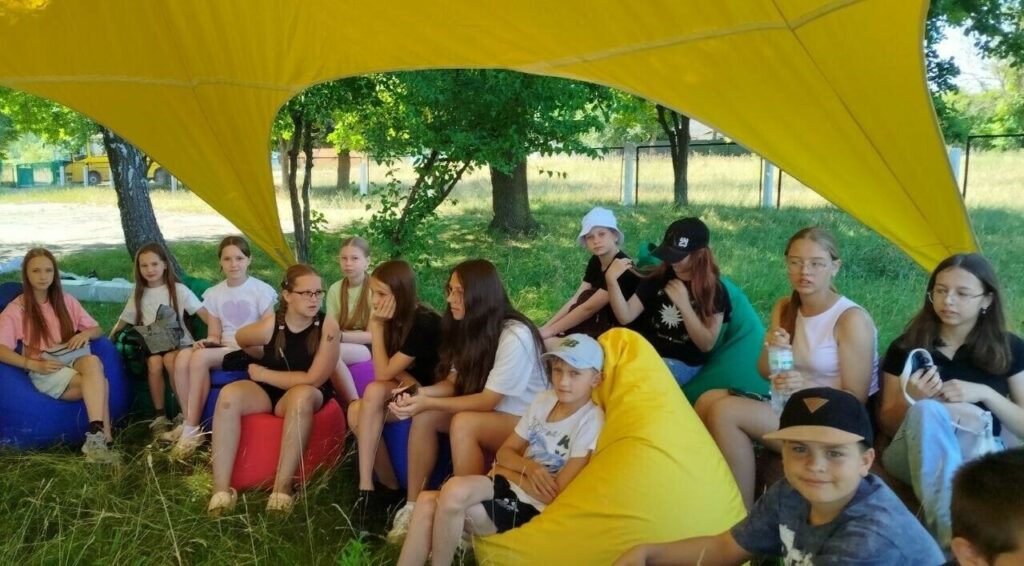
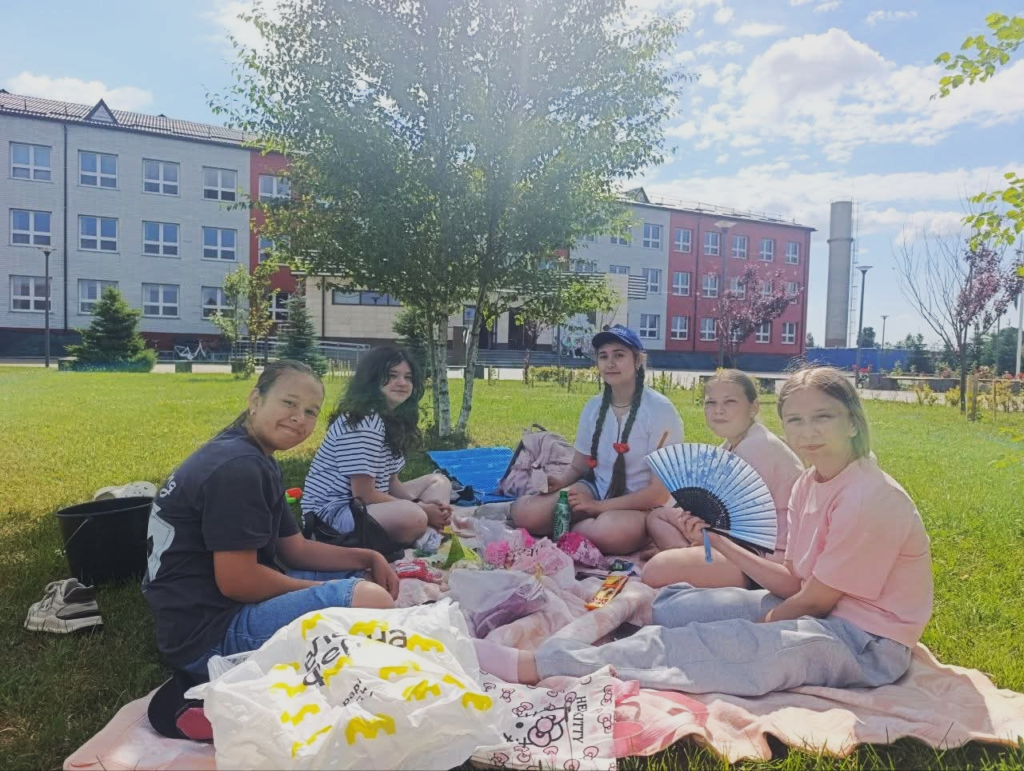
‘We organised a “colour party”: every child brought something red, green or yellow, and together we had a big picnic,’ recalls Daria Makarchuk. ‘We made non-alcoholic mojitos together in large jars: the children washed and sliced the limes themselves and crushed the mint. We made 3D keepsakes and painted T-shirts with warm messages as mementos. In two weeks, everyone became one big family.’
Children and parents on the summer club
Schoolchildren confirm that the time spent at the summer club has left them with vivid memories that will last a lifetime.
‘I attended two sessions because I really enjoyed the first one and wanted to learn even more interesting things,’ says lyceum pupil Anna Shybetska. ‘We went on excursions to the forestry office, the fire station, and the public health centre, and learnt what everyone does there. I’ve made lots of new friends and plan to go to the summer club next year. I don’t regret for a single second that I spent the summer here rather than sitting at home.’
An anonymous survey of summer club participants and their parents in Olevska community revealed sincere enthusiasm for the new format:
- ‘We spent two weeks at the summer club, where we learnt about different professions! It was really exciting: we went on excursions, played games, and learnt loads of new things. What I liked best were the interactive activities and the chance to try out different roles. It was fun, educational, and had a great atmosphere! If you’re still not sure whether to come along – definitely do!’ (aged 14).
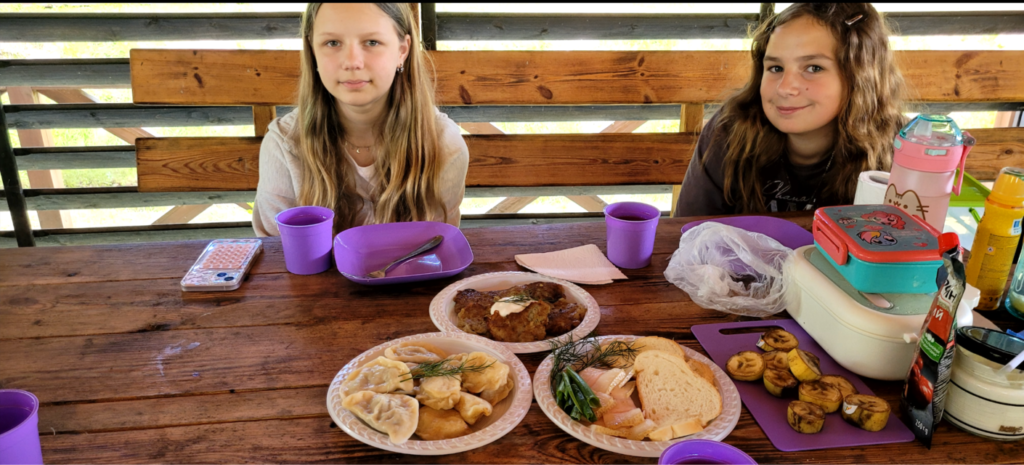
- ‘The Summer Club gave me lots of positive emotions! I enjoyed the games, creative activities, and meeting new people the most. It was fun, interesting, and very friendly. Many thanks to the organisers for a wonderful holiday!’ (aged 13).
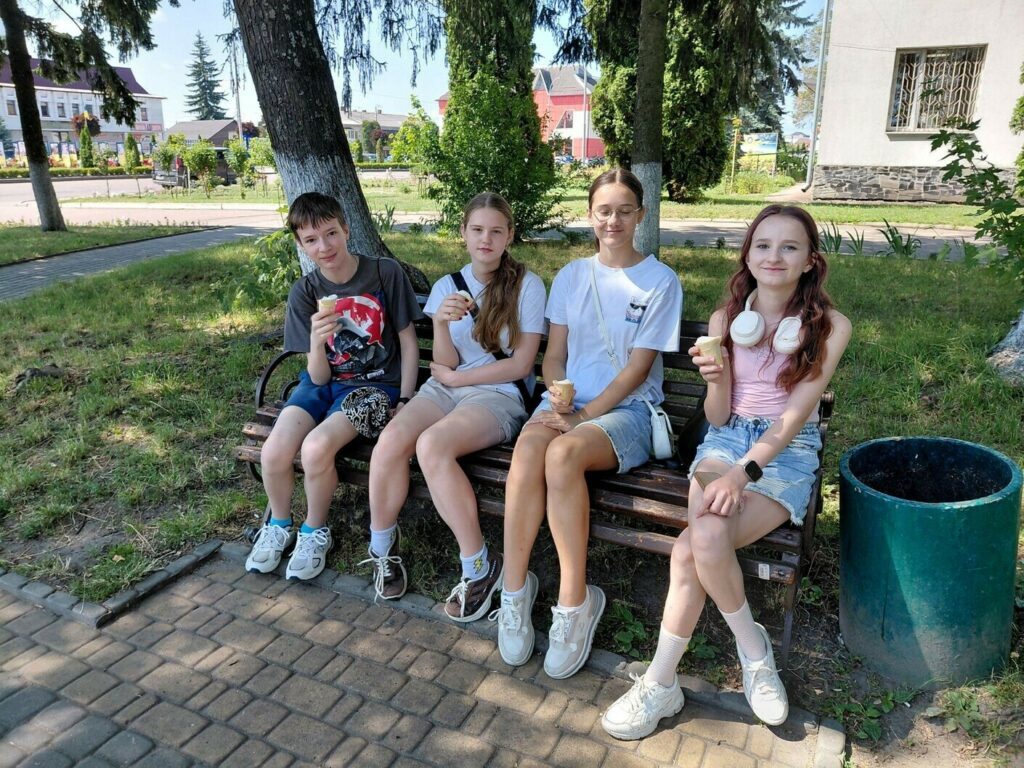
- ‘A great summer camp – I’d definitely recommend it! I made loads of new friends, we had a brilliant time, and the teachers are super nice’ (aged 13).
Parents have also shared their positive feedback, highlighting the friendly atmosphere and visible changes in their children:
- ‘What I liked most about the summer club were the interesting and diverse activities, the friendly atmosphere, and the attentive care shown to the children. My child was always happy to go to the club and would come back absolutely thrilled’ (mother of an 11-year-old schoolchild).
- ‘The organisation, the attitude to the children! You’re amazing! We need more events like this’ (mother of an 11-year-old participant).
A space of equality and a starting point for the future
For many teenagers, the summer club became a safe environment where they could express themselves freely, without fear of academic marks or judgement.
‘My son attended the summer club too. He’s a shy boy, not very outgoing, and on the first day it was hard to persuade him to go,’ admits Vira Kovalchuk. ‘But on the very next day he woke up early and said, “Mum, let’s get ready quickly, it’s time for me to go to the summer club!” Parents from Lopatychi and Radovel also came up to us to thank us, because their children usually spend their summers glued to their gadgets, whereas here they were rushing off to school with joy.’
Moreover, the club brought together schoolchildren from different educational institutions and helped to break down communication barriers between the city and the village.
‘The project’s success lies in the mutual support and coordinated teamwork between adults and children,’ concludes Nina Tarasevych. ‘There was no distinction here between those who get top marks and those who do less well. An individual approach was taken with each child, so everyone felt at ease. And some children from other schools even expressed a desire to enrol in our lyceum after the club had finished.’
Educators in Olevska community have no plans to abandon the methods they have mastered: they will actively use the materials, guides, and lesson plans throughout the school year during class hours and lessons.
The community itself has already taken the next step – it has applied to take part in the “second wave” of the pilot scheme for the career guidance system for children and adolescents, so that it can continue to systematically help every student choose their career path and confidently build a future in their home community.
‘For the community, children are most important, because they are our future,’ emphasises Vira Kovalchuk. ‘What we instil in them now will provide a solid foundation. We must do everything we can to ensure they can communicate freely, are self-confident, and have a clear understanding of who they want to be, what they themselves need, and what their community needs. Such initiatives are vital for our development.’